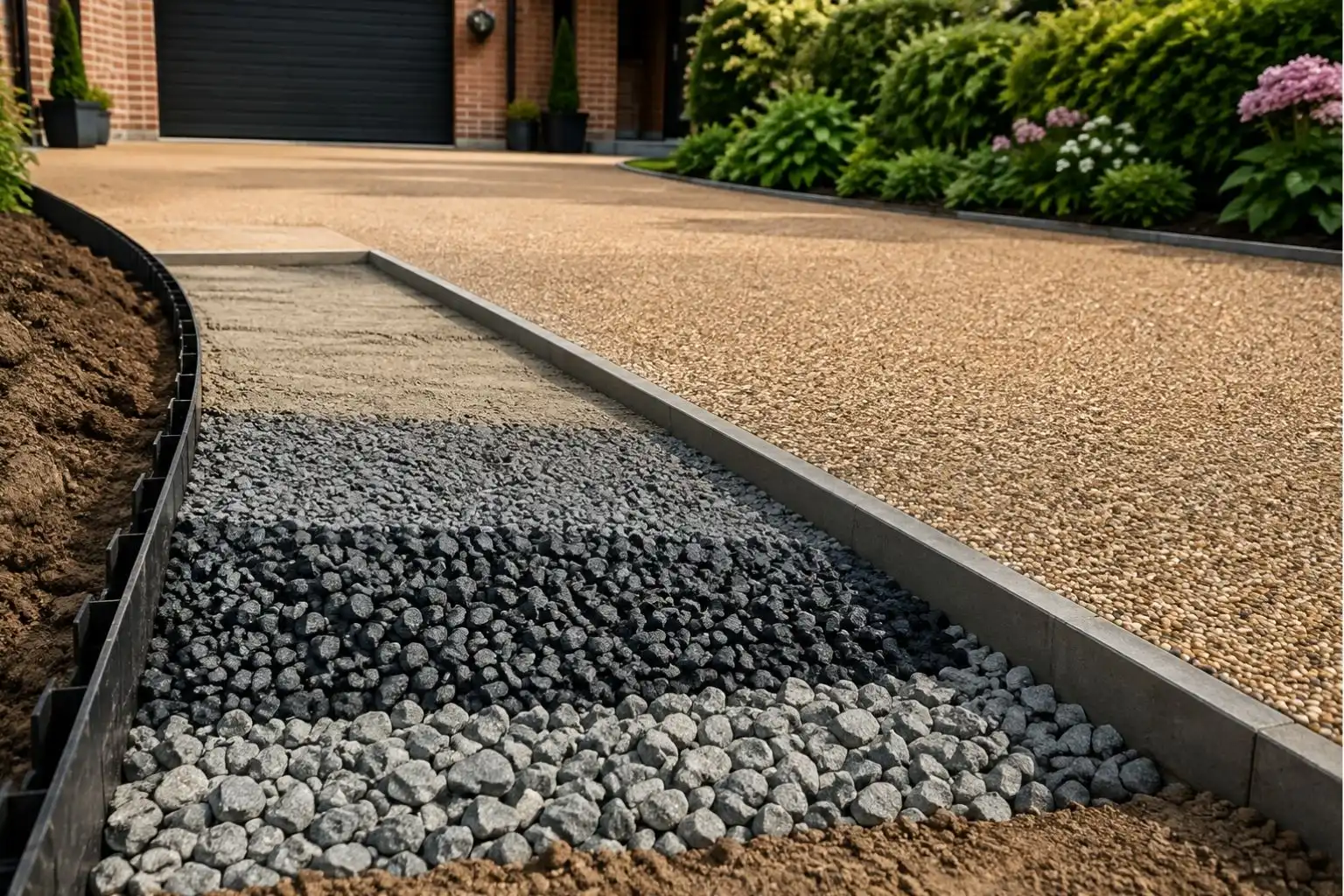
If you’re weighing up your options for a new driveway, resin bound will almost always come up somewhere along the way. It looks modern, it’s often described as low maintenance, and a lot of homeowners lean towards it fairly quickly. The question is whether it actually lives up to that reputation once it’s down.
That’s where things get a bit more interesting. Not all resin driveways are the same, and a lot of the results come down to how they’re installed and what they’re laid onto. Before committing to anything, it’s worth understanding how these surfaces behave over time, where they work best, and where they can fall short.
What Is a Resin Bound Driveway?
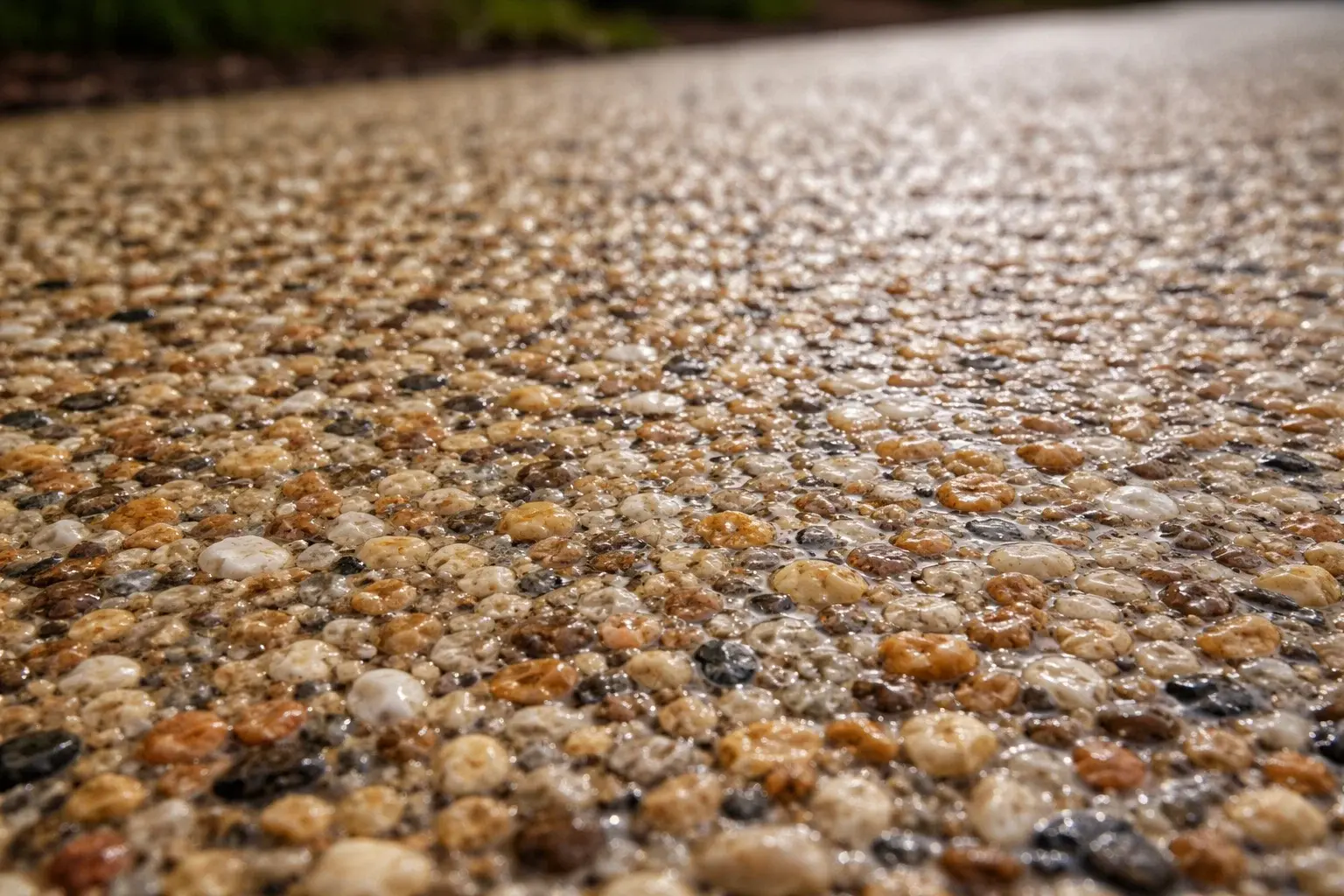
You’ve probably seen them without really thinking about what they’re called. That speckled stone finish that looks quite clean and modern tends to be a resin bound driveway.
It’s basically a mix of stone and resin that gets laid as one surface, but the key thing is how it feels underfoot and how it handles rain. Water doesn’t just sit there like it would on imprinted concrete or tarmac. It tends to pass through instead, which is one of the reasons it gets mentioned so often when people start comparing driveway options.
Are Resin Bound Driveways Any Good?
This is usually the point where people start digging a bit deeper. It sounds like a solid option at first, but you don’t really know how it performs until you look past the surface.
Some resin driveways hold up really well and barely change over time. Others don’t last quite as expected. It’s not always obvious why at first, but it usually comes down to how it was put in and what’s underneath rather than the resin itself.
Disadvantages of Resin Driveways
This is the bit that doesn’t always get mentioned early on, but it tends to come up once people start comparing options properly.
Most of the issues aren’t obvious straight away. They usually show over time. If the base isn’t quite right, small movement can start to appear, or the surface doesn’t stay as even as it first looked. In some cases, bits of stone can work loose or areas can become a little slippery, especially where moisture tends to sit.
Resin Bound vs Resin Bonded: What’s the Difference?
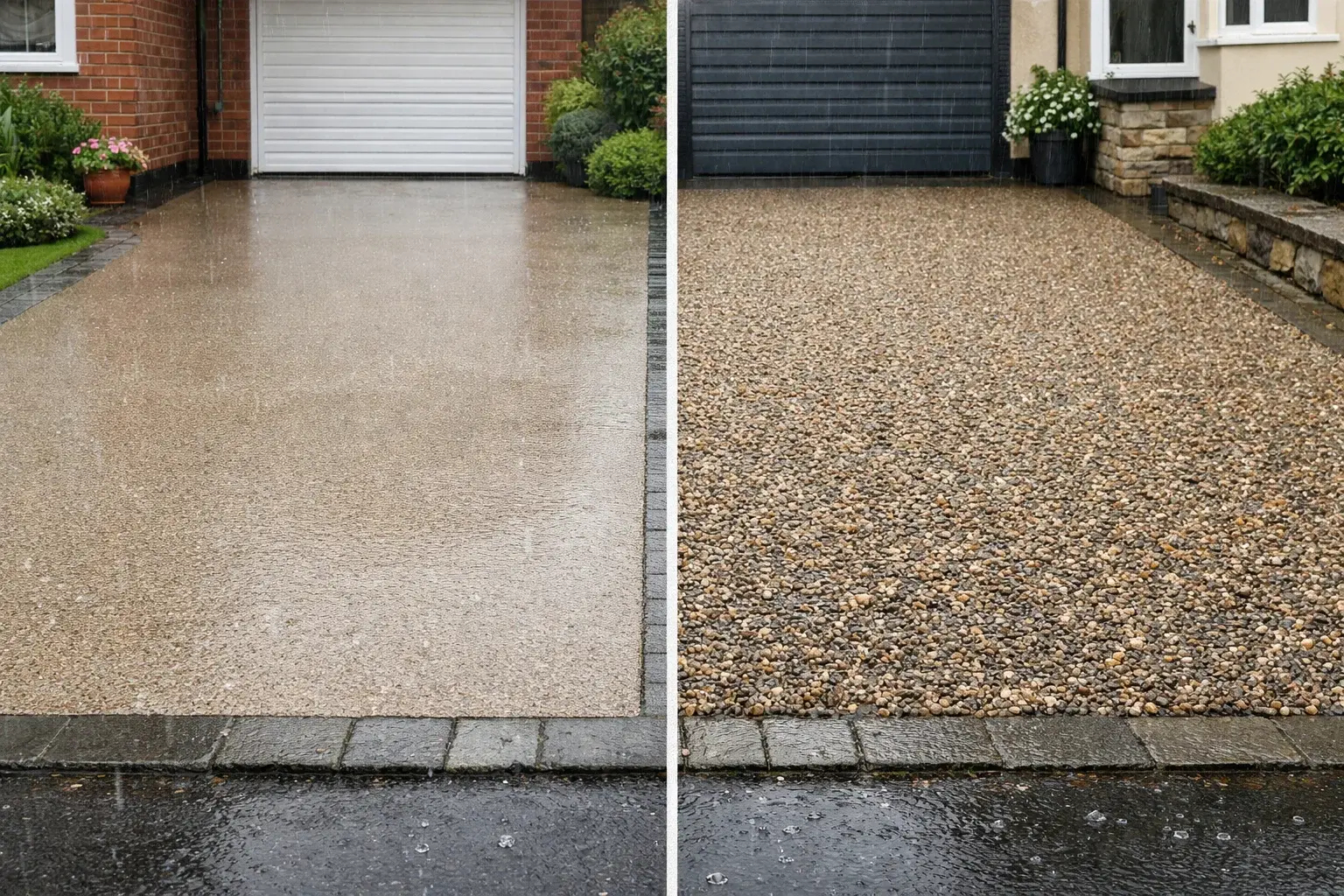
This is where things can get a bit confusing, especially since the names sound almost identical. A lot of people assume they’re the same thing, but they behave quite differently once they’re down.
A resin bound surface mixes the stone and resin together before it’s laid, which gives you that smooth, even finish people tend to go for. A resin bonded surface is done the other way round, with resin laid first and the stone scattered on top. That usually leaves a rougher feel underfoot and doesn’t handle water in the same way, which is why the two get compared so often.
How Much Does a Resin Driveway Cost?
This is usually where things start to feel a bit less straightforward. You might see a rough price online, then get something completely different when you actually look into it properly.
A lot depends on what’s already there. If the existing surface is solid and can be used, that can keep the overall driveway cost down. If not, and the whole thing needs digging out and rebuilding, the price tends to shift quite a bit. The size, the finish, and how much work goes in underneath all affect the final figure, so it’s one of those things that tends to vary more than people expect. How it fits in with the rest of your landscaping and how it’s going to be used day to day tends to matter more once you really think about it.
Choosing the Right Resin Bound Driveway for Your Home
This is usually the point where it comes down to what feels right for your space rather than just what looks good online.
Some finishes suit certain properties better than others, and what works on one driveway can look completely different somewhere else. It’s not just about colour either. How it fits in with the rest of the space and how it’s going to be used day to day tends to matter more once you really think about it.
Getting the Best Result from Your Installation
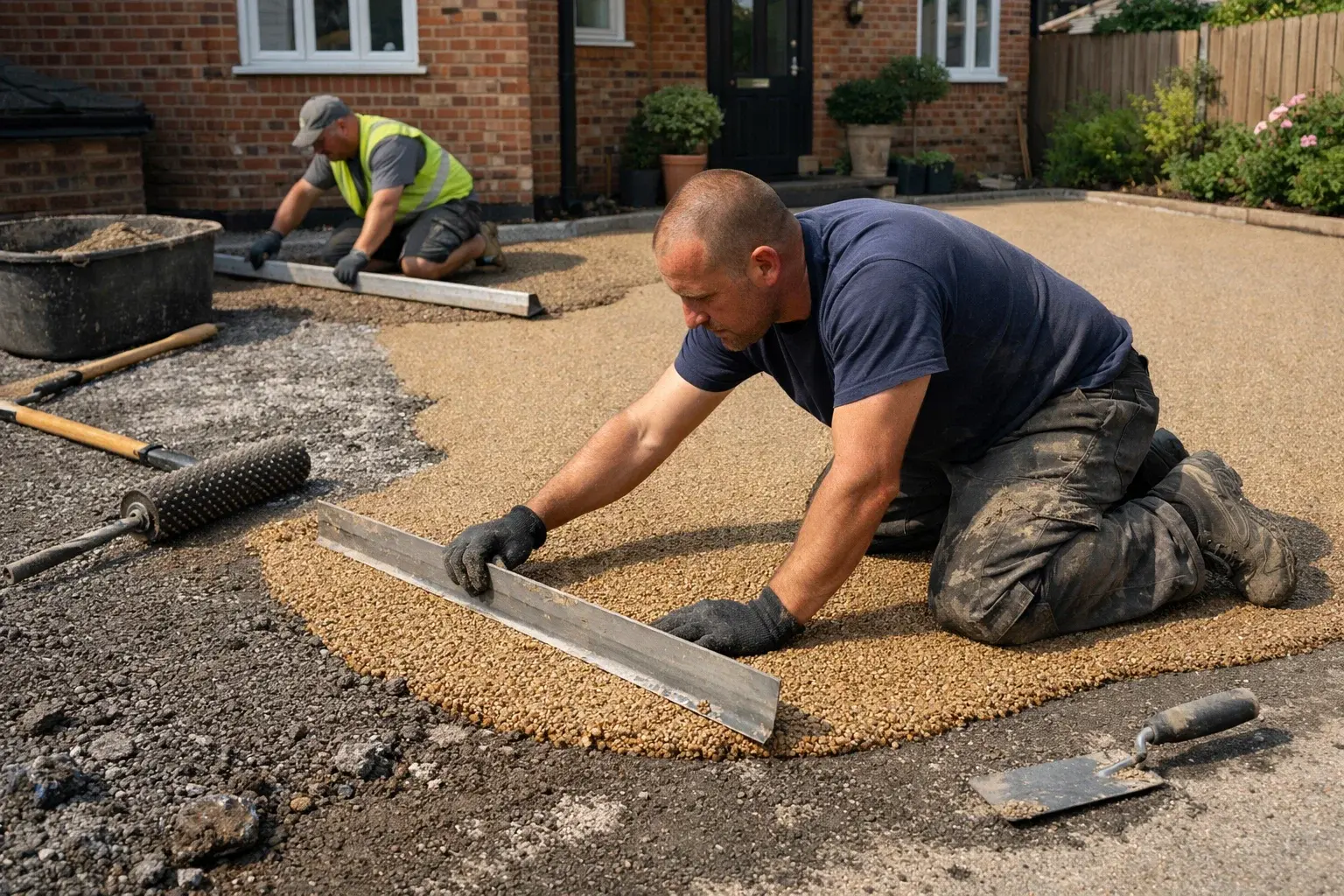
This is usually the bit people don’t think about until later on. Everything looks fine at first, so it’s easy to assume it’s been done right.
What’s underneath tells a different story over time. If the groundworks have been done properly, it just does what it’s supposed to without much fuss. If it hasn’t, small things start to change. The surface might not sit quite right or drainage isn’t as good as it should be, which is where problems tend to creep in.
Making the Right Choice for Your Driveway
By this point, most people have a better sense of what works for them and what doesn’t quite add up. It’s usually less about the finish on day one and more about how it’s going to behave over time.
If you’re still on the fence, sometimes it just helps to talk it through properly. The team at L&R Surfacing can give you a clear idea of what would suit your space and what to expect before anything gets started.