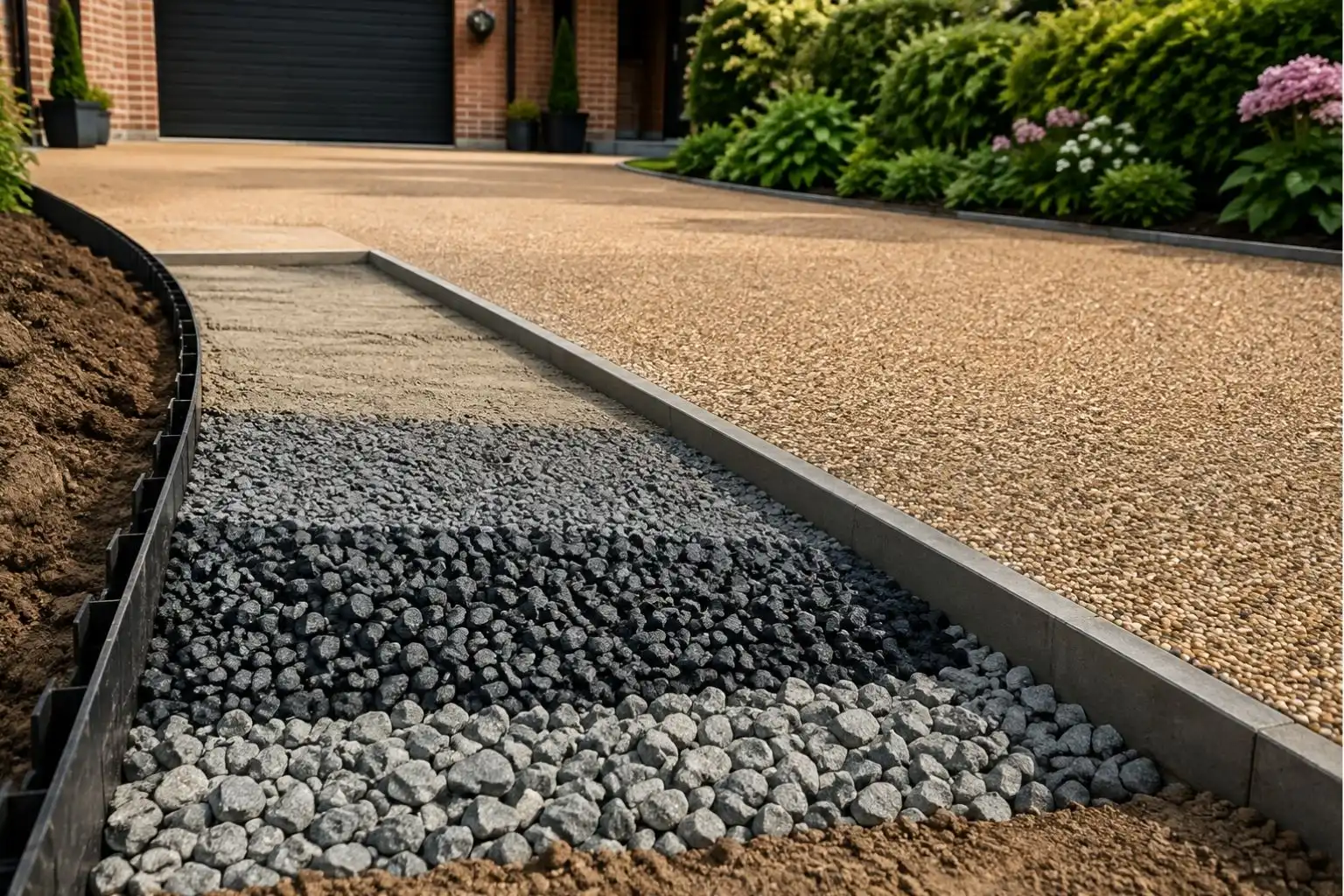
Most people don’t think about driveway planning permission until they’re already looking at getting work done. It feels like the kind of job you can just crack on with, especially if it’s your own front garden. In reality, there are a few rules that sit in the background, and they tend to come down to how your driveway deals with water. That matters even more in Manchester, where rain is part of everyday life. A bit of understanding at the start can save you a lot of hassle once work gets underway.
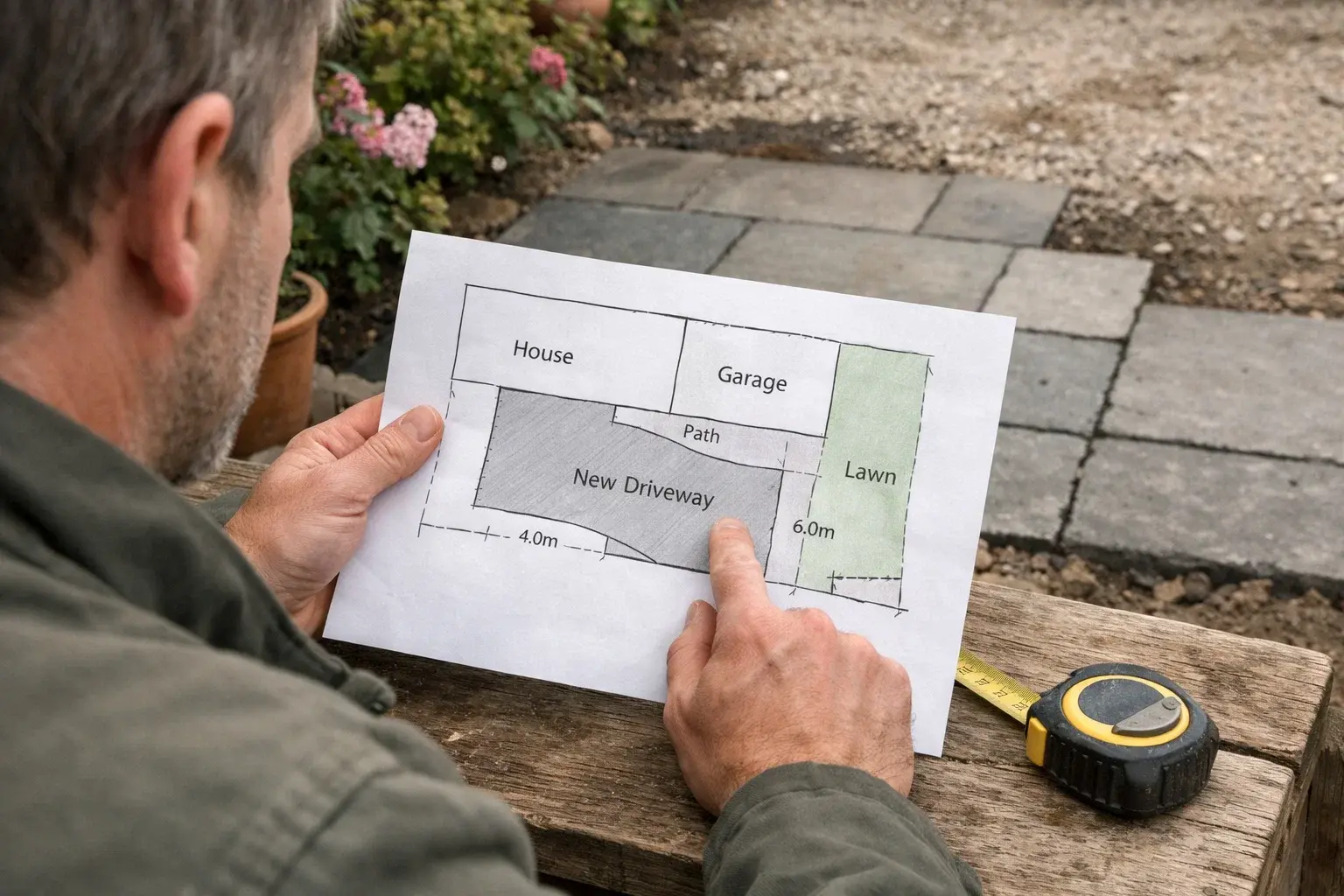
Do You Need Planning Permission for a Driveway?
A lot of homeowners never even check this before getting a driveway done. In many cases, that’s fine, as planning permission isn’t always needed. It usually depends on what you’re putting down and how it deals with water once it’s in place.
If rainwater can soak away or drain into the ground, there’s normally nothing to worry about. Problems tend to come up when the surface stops water from draining properly. When that happens, and water starts running off into the road or public drains, it can fall outside standard permitted development rules. That’s when your local council may step in and expect a planning application before the work goes ahead.
Understanding Permitted Development Rights
You’ll probably come across the term permitted development rights if you start looking into this properly. It sounds official, but it’s basically just a set of rules that let you make certain changes to your property without having to ask for full planning permission.
When it comes to driveways, it’s less about the driveway itself and more about the knock-on effects. If what you’re doing doesn’t cause issues, especially with drainage, you’re usually covered. If it does, even unintentionally, then it can fall outside those rights, and that’s when permission becomes part of the process.
The 5m² Rule Explained
There’s a specific rule that tends to come up once you start looking into driveway planning properly, and that’s the 5m² one. It applies to front gardens, and it’s often the point where people realise there’s more to this than they first thought.
In simple terms, if you’re covering a larger area and using a surface that doesn’t let water pass through, you might need to get permission. If water can soak away or drain into the ground, you’re usually fine to carry on without it. It’s less about the size on its own and more about what happens when the rain hits it.
Permeable vs Impermeable Surfaces
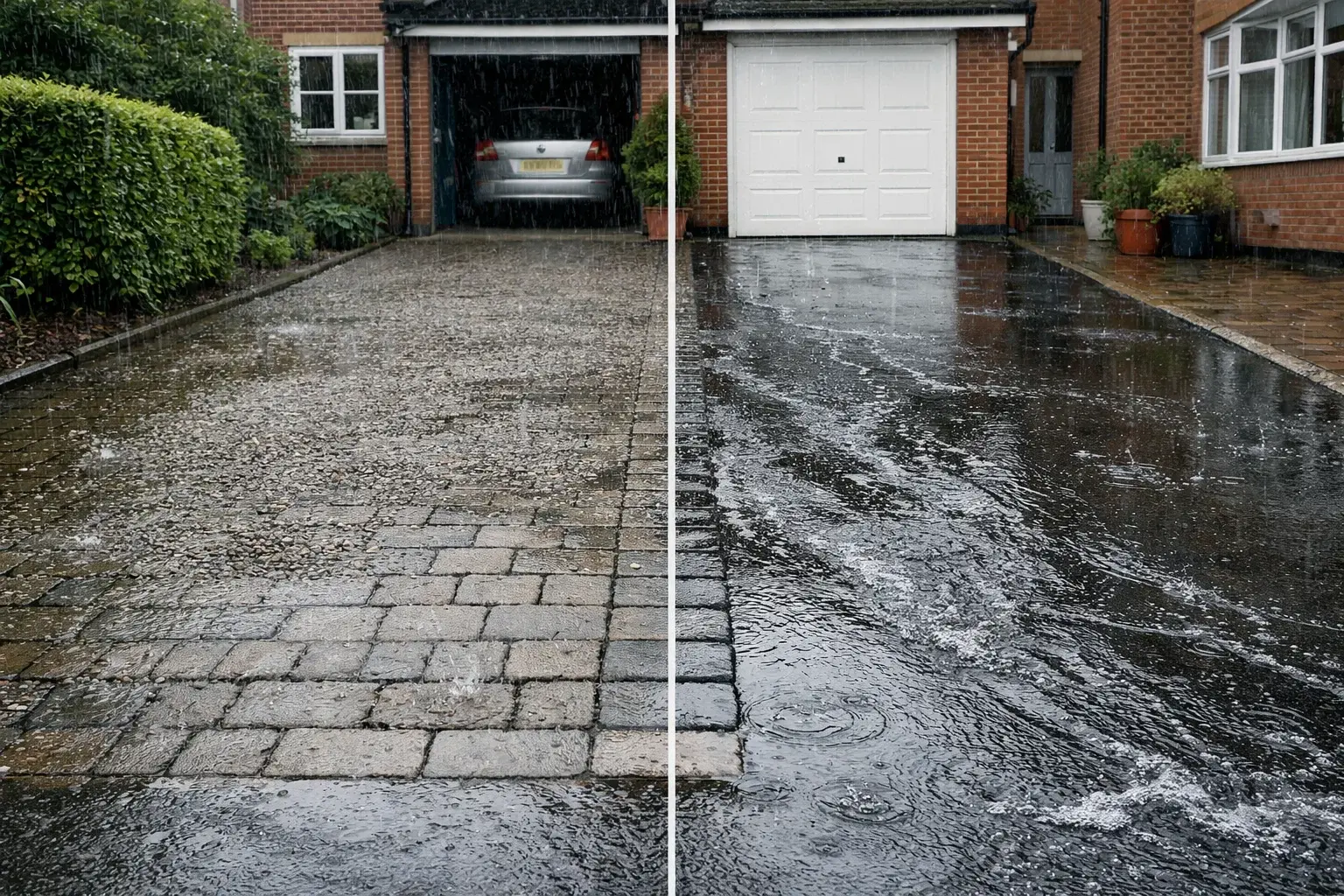
This is usually the bit that actually decides everything. Two driveways can look almost the same from the outside, but behave completely differently once it starts raining.
Some surfaces let water pass through without you really noticing. Others don’t, and that’s where issues start creeping in. If the water has nowhere to go, it ends up running off, which is exactly what the rules are trying to avoid. Materials like gravel or a permeable driveway setup deal with that naturally, while more solid finishes can turn into an impermeable surface if they’re not designed properly.
How Drainage Affects Planning Permission
This is really what all the rules come back to in the end. It’s not about stopping people from improving their homes, it’s about what happens to the water afterwards.
If rainwater can soak away on your own property, nobody’s too concerned. It becomes an issue when it starts running off elsewhere, especially towards the road. That’s when things can change quickly from a simple job into something that needs approval. Even small changes in how the driveway is built can affect that, which is why drainage tends to be the deciding factor more than anything else.
What Counts as a Permeable Driveway?
This is where it can get a bit confusing. Two driveways can look almost identical, but behave completely differently once the rain starts.
It’s not really about the surface on its own. What’s underneath plays a big part. If water can move through and disappear into the ground, then it’s doing what you want. If it just sits there or starts running off, as can happen with surfaces like Imprinted Concrete when poorly installed, then it isn’t. That’s usually where people realise there’s more to it than they first thought.
When You Will Need Planning Permission
There are situations where planning permission does come into it, even if most driveways don’t need it. It usually comes down to the combination of size and how the surface handles water.
If you’re covering a larger front garden area and the surface doesn’t let water drain away, that’s when it can fall outside the usual rules. The same applies if the water ends up running off your property instead of soaking in. That’s typically the point where your local council may expect a planning application before any work starts.
Special Cases and Restricted Areas
This is where it can change a bit depending on where you live. Most people won’t run into it, but when it does apply, it tends to come as a surprise.
If your home sits in a conservation area or has any link to a listed building, things aren’t always as straightforward. It doesn’t stop you doing the work, but it can mean having to get permission first. It’s one of those situations where a quick check at the start can save you from a much bigger issue later on.
How to Apply for Planning Permission
If it turns out you need permission, it’s usually just part of the process rather than something to worry about.
You’re basically showing the council what you’ve got in mind before anything starts. A rough layout, a bit of detail about the work, including any surrounding Landscaping changes, nothing over the top.
Choosing the Right Surface for Your Driveway
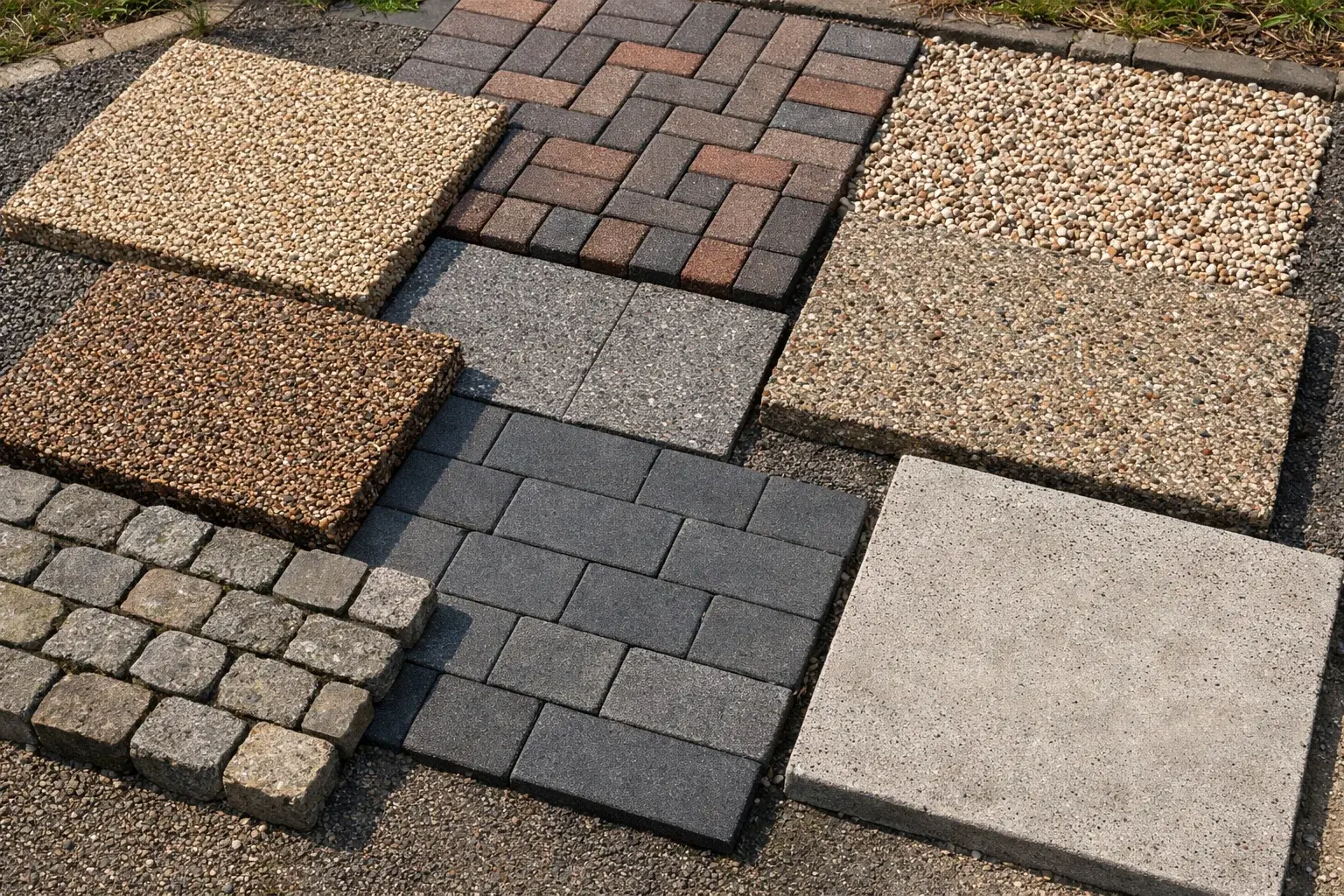
This is usually where everything starts to come together. The surface you choose doesn’t just affect how your driveway looks, it plays a big part in whether you stay within the rules or not.
Some options handle water without much effort, others need a bit more thought. Materials like gravel or a properly installed Resin Driveways tend to work well if drainage is a concern. More solid finishes can still be used, but only if there’s a way for the water to go somewhere instead of sitting or running off.
Why Groundworks Matter More Than You Think
Most people judge a driveway by how it looks once it’s finished. That’s fair enough, it’s the part you actually see every day.
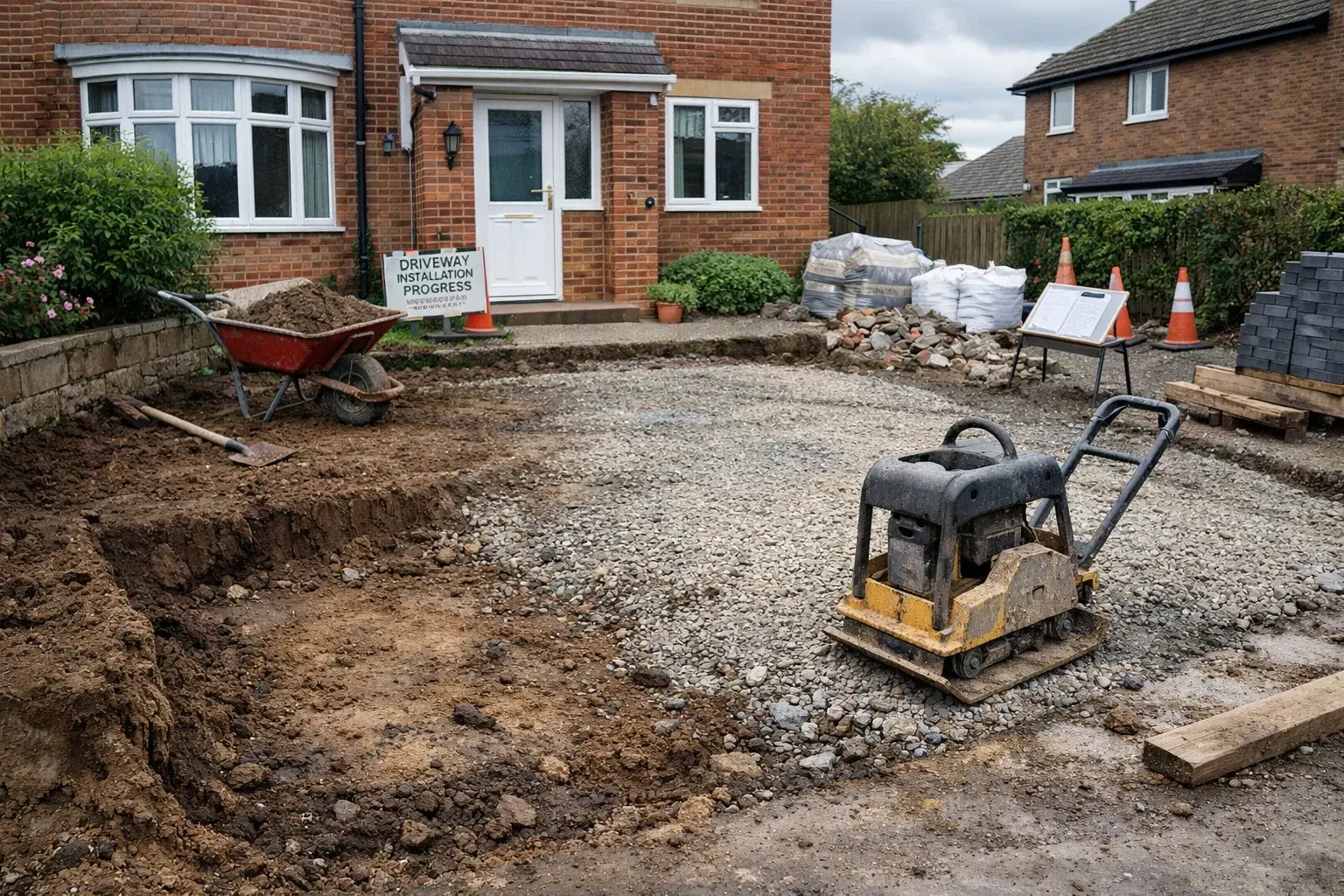
The part that decides how well it lasts sits underneath. If that isn’t right, things can start to go off over time. Water hangs around when it shouldn’t, or the surface begins to shift slightly. When the groundwork is solid, everything above it tends to stay where it should without those issues building up.
Manchester Weather and Why It Matters
Weather plays a bigger role than most people expect, especially in places like Manchester where rain is never too far away.
A driveway might look great when it’s first put down, but if it can’t cope with regular rainfall, problems can start to show. Water sitting on the surface, slow drainage, or runoff towards the road are all things that can come up. Choosing something that handles those conditions well makes a noticeable difference over time.
Getting It Right from the Start
Most people go straight into choosing how they want it to look. That’s usually the interesting part, so it makes sense.
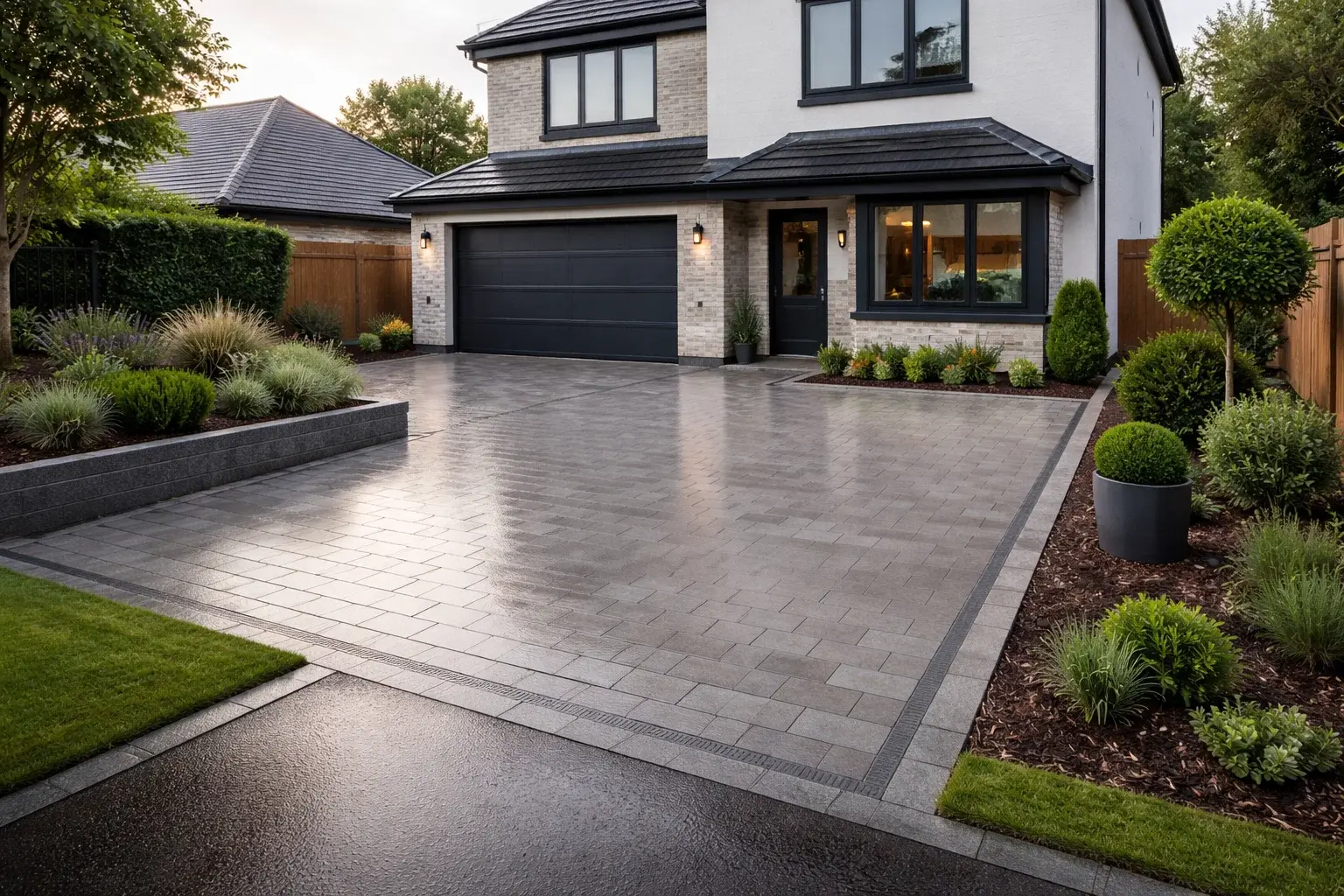
Spending a bit of time on the practical side first can make things easier later on. If you know how it’s going to handle water and where it sits in terms of the rules, there’s less chance of anything slowing the job down once it gets going. If you’re not completely sure, the team at L&R Surfacing can talk you through it and help you figure out the best approach before anything starts.