
Concrete driveway resurfacing has become one of the most popular exterior upgrades in 2025. Homeowners across Manchester and Cheshire have started looking for smarter ways to improve their concrete driveway without committing to the disruption or expense of a complete replacement. A worn driveway surface doesn’t always need digging out. A new coating or overlay can restore the finish, strengthen the existing concrete and dramatically improve kerb appeal while keeping labour costs under control.
The shift towards restoring instead of replacing has been influenced by rising material prices, practical considerations and growing interest in sustainable home improvements. Many older concrete driveways still have years of life left in them, even if the surface looks tired. Modern resurfacing systems create extremely durable finishes that transform the look of the property without weeks of mess or downtime.
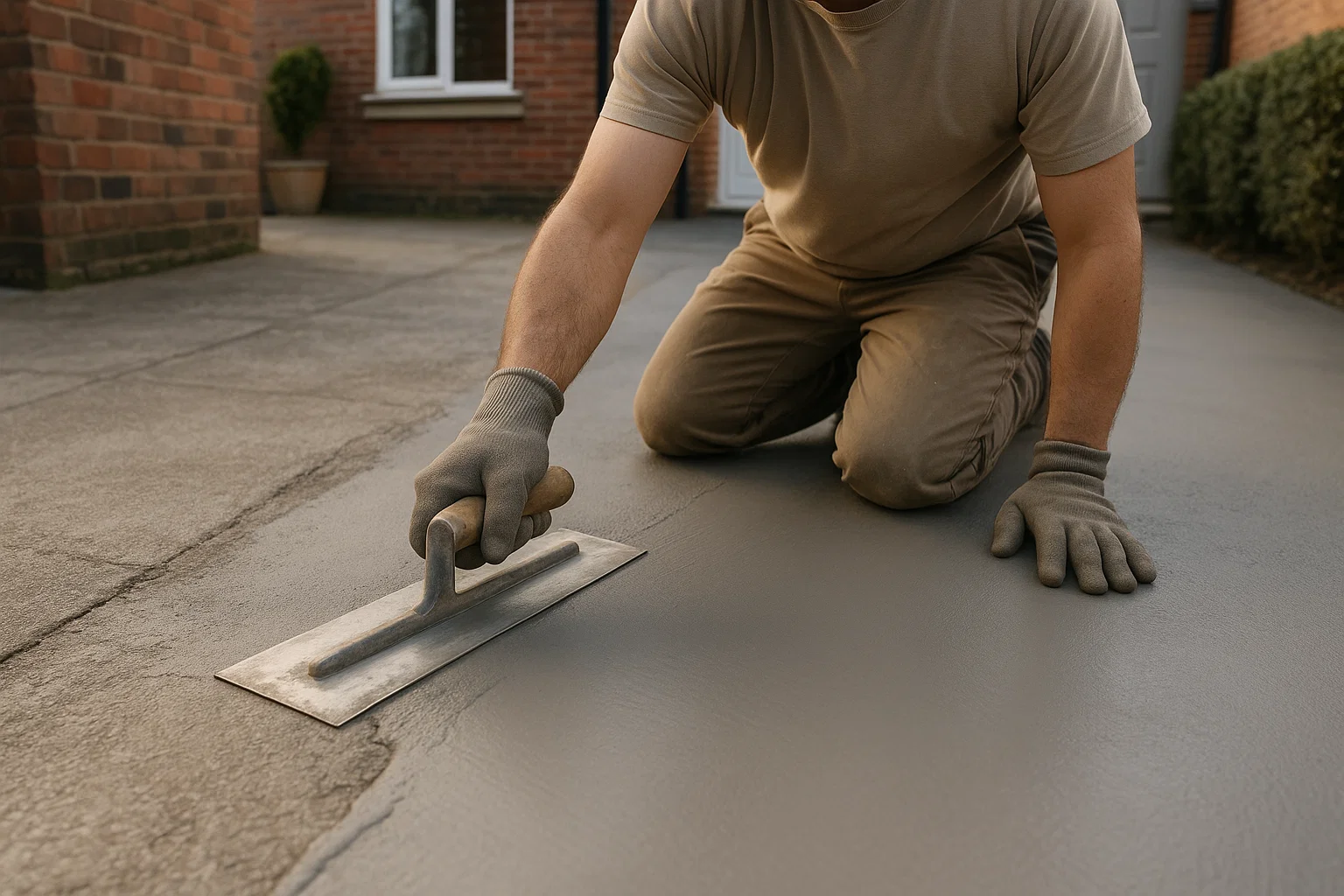
What Is Concrete Driveway Resurfacing?
Concrete driveway resurfacing is the process of applying a new layer over an existing concrete base to refresh its appearance and improve performance. It sits between simple repainting and full replacement, offering homeowners a reliable way to upgrade their driveway without removing the structure underneath. The new coating bonds tightly to the existing surface, repairing worn areas and creating a smooth, consistent finish.
Specialist contractors typically use overlays, micro-toppings or retexturing systems designed for outdoor use. These materials revive faded colour, hide minor cracks and give the driveway a modern, attractive appearance. A surface that looks beyond saving can often be revived with professional resurfacing, particularly where the underlying slab remains structurally sound.
Why Resurfacing Is Becoming So Popular in 2025
Homeowners have become more aware of how long concrete lasts, which makes resurfacing a sensible option when the structure remains healthy. The concrete driveway resurfacing cost is significantly lower than replacing the full slab, especially on larger driveways where excavation can become expensive. Resurfacing avoids the environmental impact of disposing of tonnes of concrete and uses far fewer materials, which appeals to those looking to reduce waste.
Manchester’s weather also plays a part. Freeze–thaw cycles and heavy seasonal rain often damage the top of concrete surfaces rather than the foundation. Resurfacing protects the driveway against further deterioration while restoring its appearance. Faster installation times have also influenced the trend. Most resurfacing projects can be completed in a single day, with minimal disruption compared to a full dig-out.
Common Signs Your Driveway Needs Resurfacing
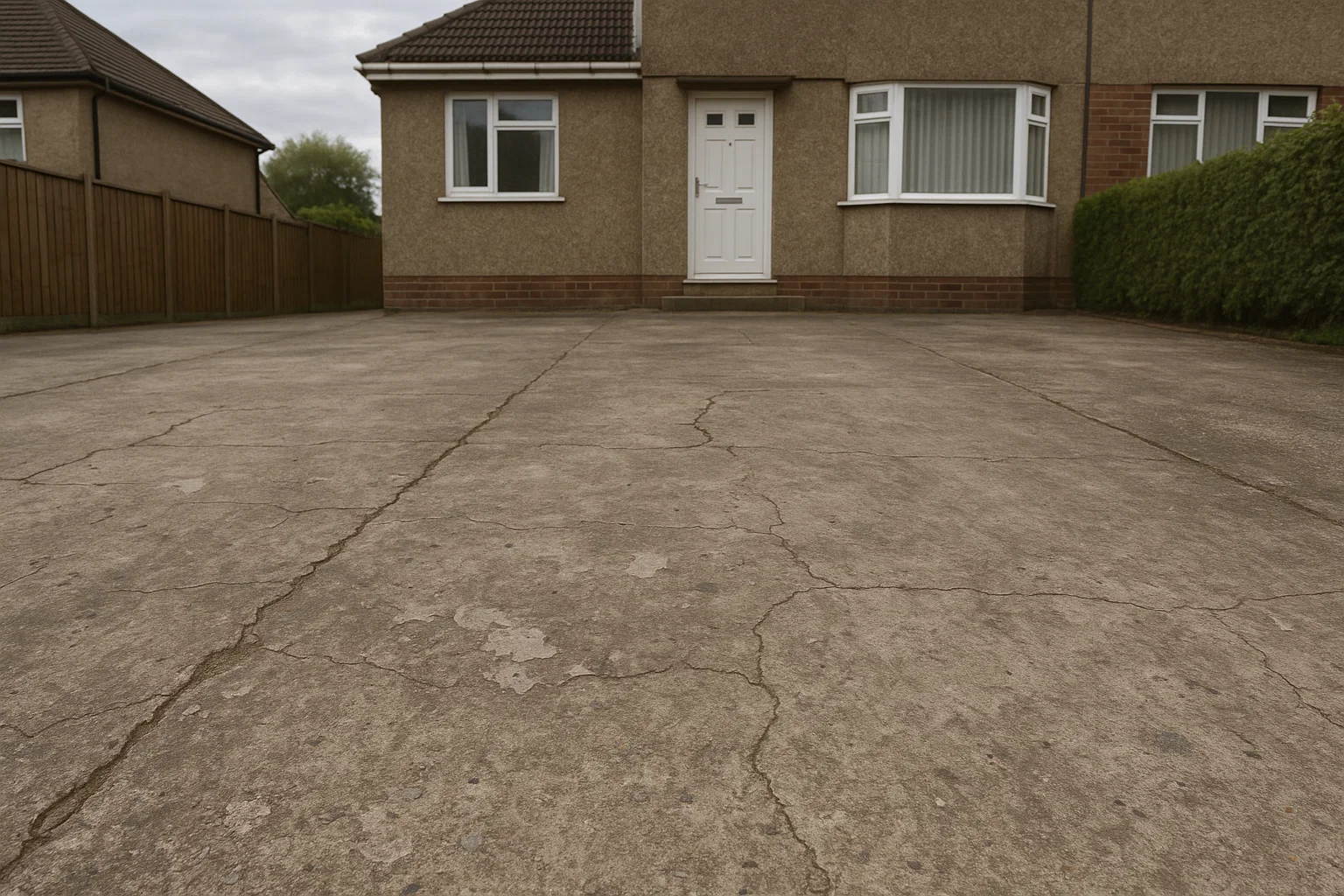
Concrete ages slowly, so issues often creep in over many years. One of the first signs is loss of colour or sealer. Fading creates patchy areas that make the driveway look older than it is. Oil stains and tyre marks can leave dark patches across concrete driveways, and these usually sink into the surface if the protective layer has worn off.
Minor cracking is another sign that resurfacing could help. These cracks can often be repaired using flexible crack repair compounds before the new coating is applied. Light flaking or surface delamination is also common in the North West where harsh winters take a toll. Worn surfaces tend to trap dirt more easily, and water begins to pool in shallow dips. Many driveways struggle after long periods of wet weather or frost, which makes resurfacing a more practical option than full replacement.
Repainting, Resurfacing or Replacing: What’s the Difference?
Homeowners often compare repainting, resurfacing and replacement while trying to decide the best route for their property.
Repainting or Resealing
Repainting works well for driveways with light wear but no major damage. It refreshes colour and adds protection against weather, although it cannot solve structural problems. A fresh coat improves curb appeal, yet it remains a short-term solution. Repainting does not cover cracks or damaged areas unless a proper repair is completed first.
Full Concrete Resurfacing
Resurfacing creates a new finish across the entire driveway. The coating restores texture, colour and strength while preserving the original slab. This option is ideal where the concrete has worn down but still sits evenly with no structural movement. It offers long-term benefits at a lower cost than replacing the whole driveway.
Full Replacement
Replacement becomes necessary when the base has failed. Deep structural cracks, significant movement or sinking require more than cosmetic treatment. Full excavation creates a stable foundation for a new driveway, but it involves more time and higher labour costs. Replacement is typically chosen when a driveway is extremely old or when poor installation has caused ongoing issues.
How the Resurfacing Process Works in Practice
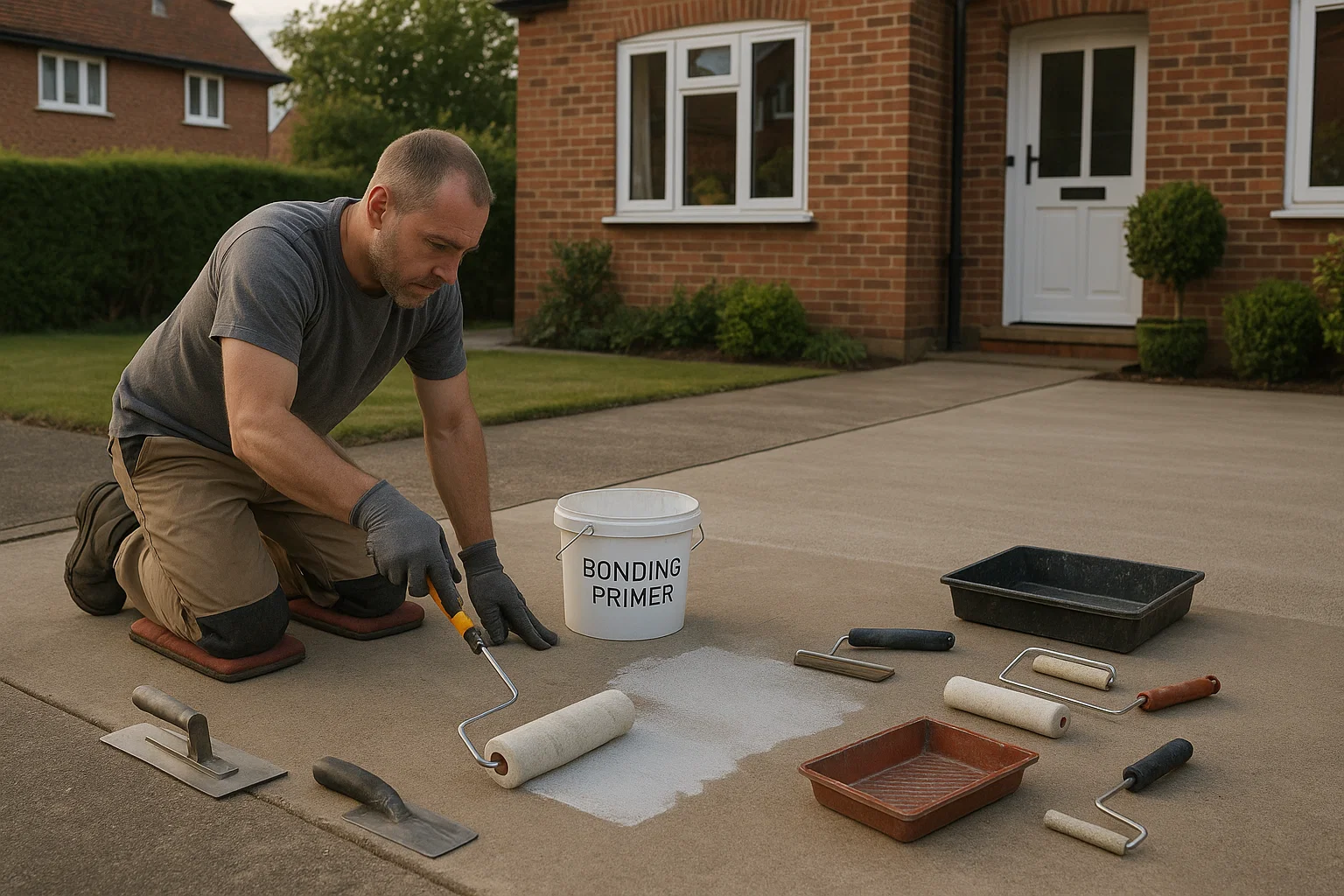
Every resurfacing project begins with a thorough clean. Contractors use specialist equipment to remove hardened dirt, moss and loose material from the existing concrete. This preparation ensures the new layer attaches correctly and lasts for years. Crack repair follows, along with cleaning out weak spots where previous coatings may have lifted.
A bonding primer is then applied across the driveway surface to guarantee adhesion. Once it cures, the overlay or micro-topping is spread evenly to create a smooth finish. Colour pigments can be added at this stage to replicate modern decorative styles or restore the look of plain concrete. A protective sealer completes the process, shielding the driveway from water penetration, oil stains and fading.
The full method remains quick compared to replacement. Driveways are often ready for light use within a day or two, with full curing following shortly after.
Is Resurfacing More Cost-Effective Than Replacement?
Cost plays a major role in the popularity of resurfacing. A complete replacement involves excavation, waste disposal and new concrete pouring, which increases labour costs significantly. Resurfacing is more affordable because it uses the existing base and focuses on the upper layer where most wear occurs. Homeowners with larger driveways notice significant savings through resurfacing rather than full replacement.
Many people choose resurfacing ahead of selling their property. Improved kerb appeal attracts more interest from buyers and creates a more positive first impression. Replacement offers the longest lifespan, although it is only necessary when structural issues are present. Resurfacing extends the life of the existing slab while improving the look of the property at a realistic price.
Can Resin Be Laid Over Concrete Instead?
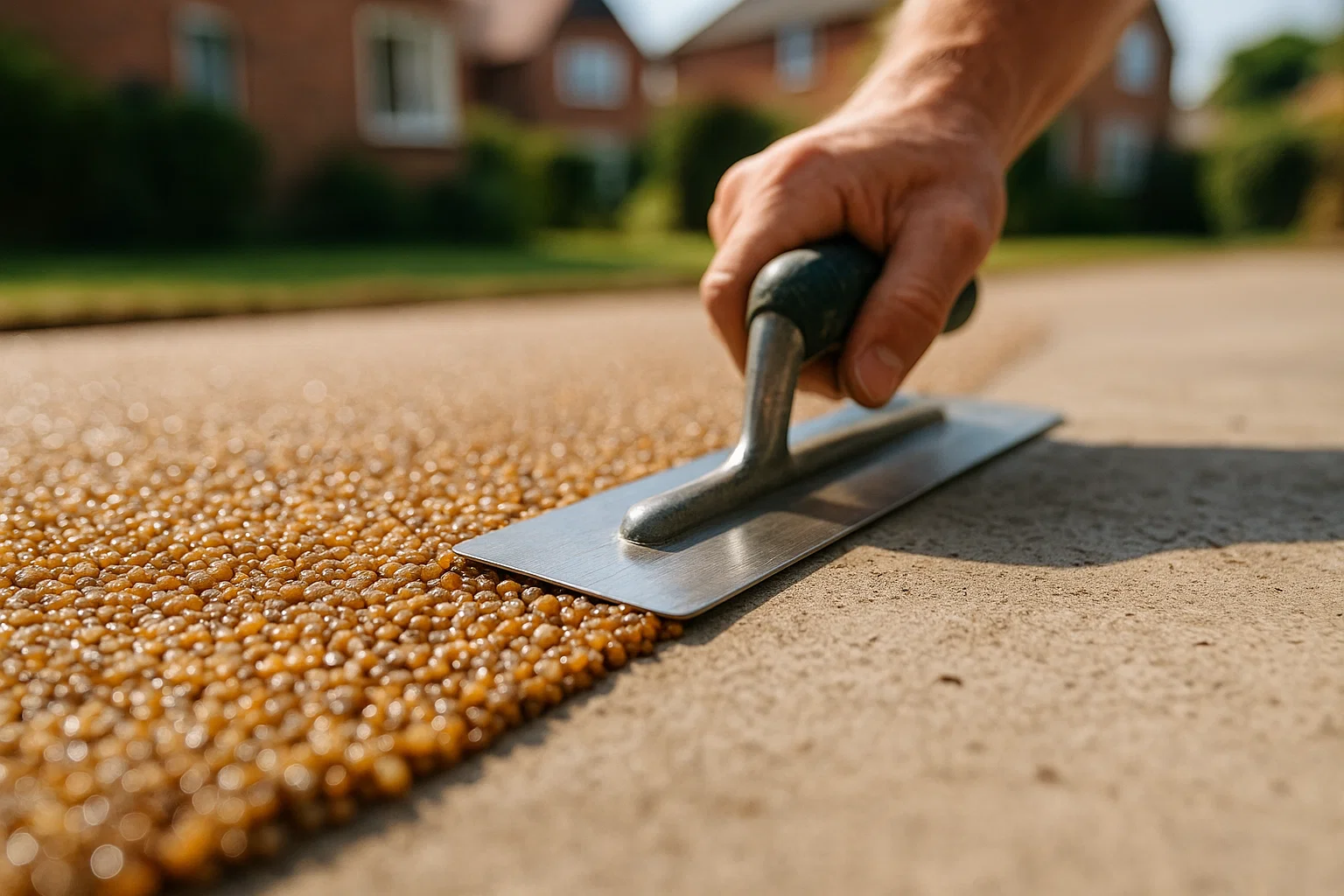
Resin-bound systems are a popular alternative to resurfacing. A resin-bound driveway can be installed over a stable existing concrete slab, which saves time and avoids the cost of digging out. This method provides a seamless finish and excellent drainage benefits. It offers a modern look that works well with updated landscaping and outdoor areas.
The concrete base must be stable. Any movement, deep cracks or drainage issues will affect the resin finish. A proper assessment is essential before choosing resin, although many homeowners find it a suitable option when their concrete remains structurally sound. Resin transforms old concrete into a smart, attractive entrance without removing the existing surface.
Popular Resurfacing Finishes for 2025
Driveway styles have evolved, with more homeowners choosing modern, minimalist finishes. Smooth coatings provide a contemporary look, while textured finishes improve grip during rainy weather. Colour systems have become far more refined, helping properties achieve a uniform appearance that complements surrounding landscaping.
Some people compare resurfacing with switching to block paving, gravel driveways or tarmac driveway installations. Resurfacing remains the more cost-effective option where the concrete foundation is still healthy. Decorative systems can replicate the appearance of exposed aggregate or patterned finishes. Slip-resistant sealers are also popular for families or homes located on sloped driveways.
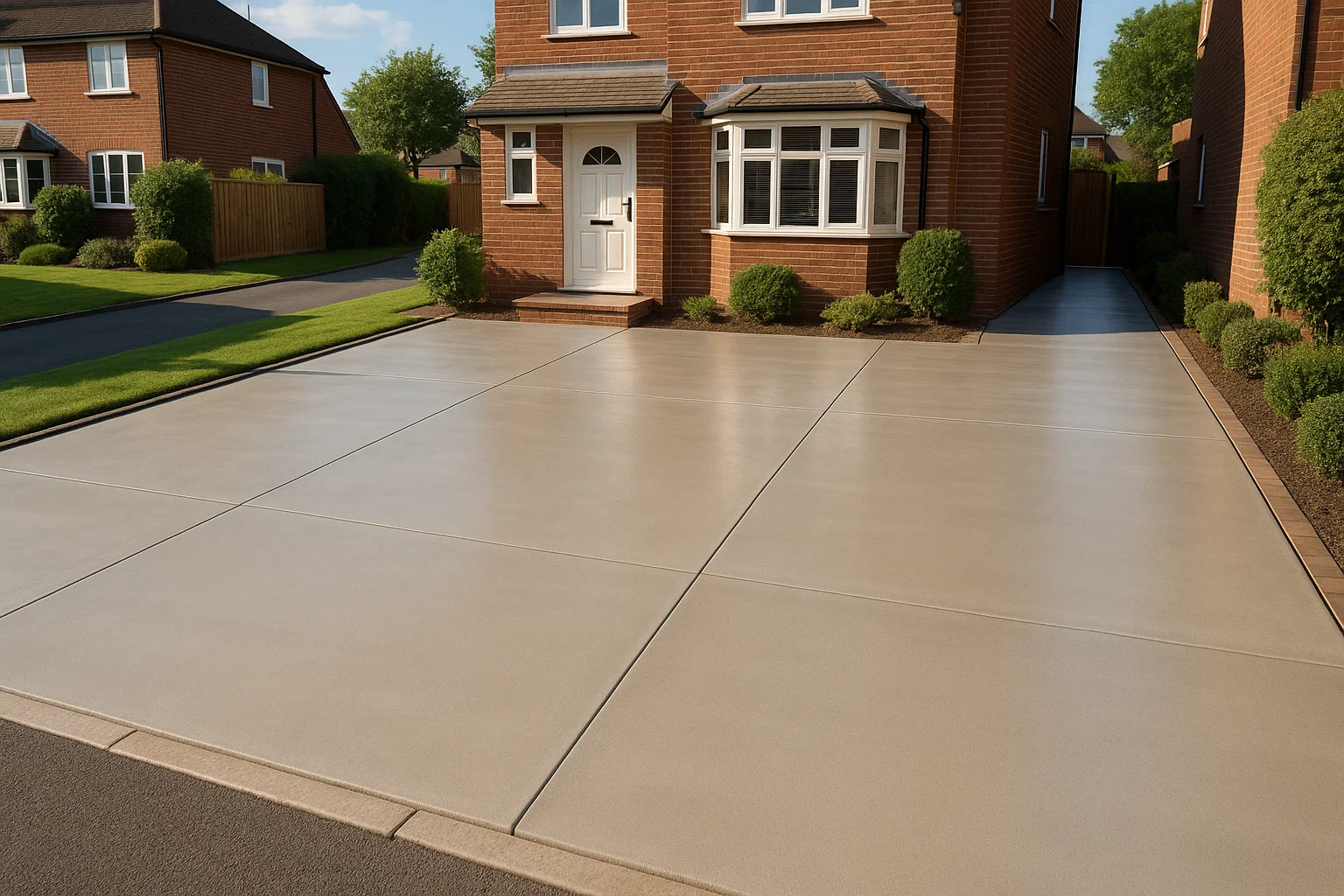
How Long a Resurfaced Driveway Can Last
A professionally resurfaced driveway can last many years when maintained correctly. The longevity depends on the preparation, product quality and how well the surface is protected from the weather. Proper maintenance, including periodic resealing, keeps the coating strong and resistant to fading.
Manchester’s climate can be harsh on poorly sealed concrete, although a well-prepared resurfaced driveway handles freezing temperatures and heavy rain effectively. A strong bond between the overlay and the original concrete makes the biggest difference to lifespan.
Anyone planning resurfacing around colder months may find our guide on whether winter is a good time for driveway installations in Manchester especially helpful when deciding on timing.
Does Resurfacing Improve Kerb Appeal and Home Value?
Driveways play a major role in how a property is perceived from the street. A tired or patchy driveway can pull attention away from even the most attractive home. Resurfacing lifts the appearance instantly, which proves valuable for those planning to sell. Many estate agents highlight the difference exterior improvements make when it comes to booking viewings.
Regional property markets such as Manchester, Knutsford and Cheshire often benefit from upgrading concrete surfaces because many homes were built decades ago. A resurfaced driveway creates a fresher, well-maintained impression that attracts potential buyers.
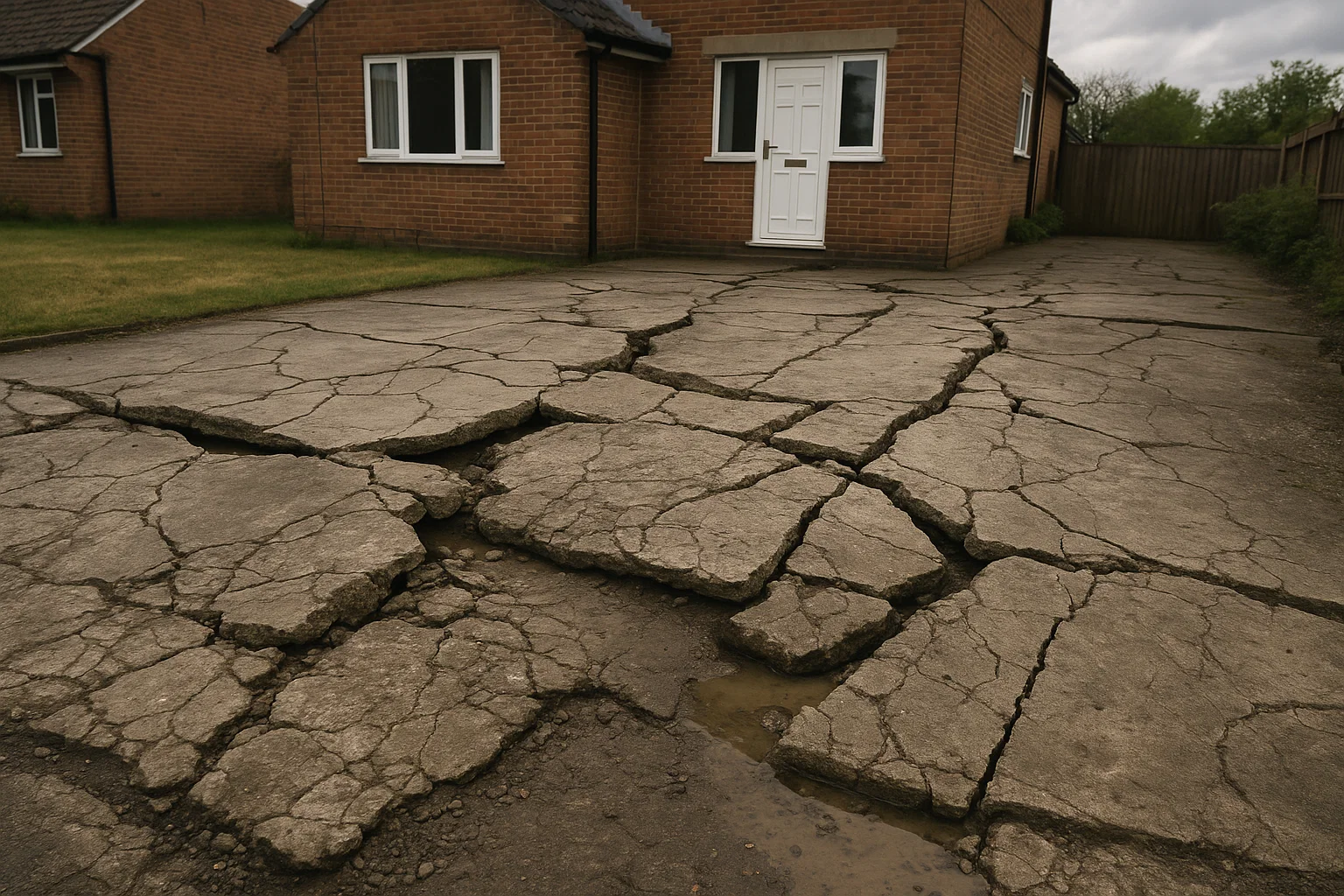
When Resurfacing Isn’t Enough
There are occasions when resurfacing cannot fix the underlying problem. Deep cracks that run across large sections of concrete usually indicate movement in the base. Sinking or uneven slabs point to issues with the sub-base or drainage. Flooding and water damage can also weaken the foundation over time. These problems require more than a surface-level solution.
A full replacement remains the safest option when concrete has lost structural integrity. A professional contractor will carry out a proper assessment to determine whether resurfacing is suitable or whether a full dig-out is the better long-term investment.
Homeowners planning to resurface or replace their drive may also want to check the latest GOV.UK guidance on permeable driveway surfacing, which explains when planning rules apply and how different materials affect drainage.
If the underlying base has begun to fail, it may be worth reading our guide on why groundwork services are the most important part of any driveway project, as this explains how the sub-base affects long-term driveway performance.
Why Professional Installation Makes All the Difference
DIY resurfacing attempts often fail due to poor preparation. Incorrect cleaning or the wrong materials lead to peeling, cracking or weak adhesion. Professional contractors use commercial-grade equipment and specialist products designed for long-term performance. Experience matters, especially when working with older concrete surfaces or challenging weather conditions.
A reliable surfacing company understands local soil types, drainage patterns and seasonal weather, which all influence how well a resurfaced driveway performs. Their knowledge ensures the finish lasts and continues to look attractive for years.
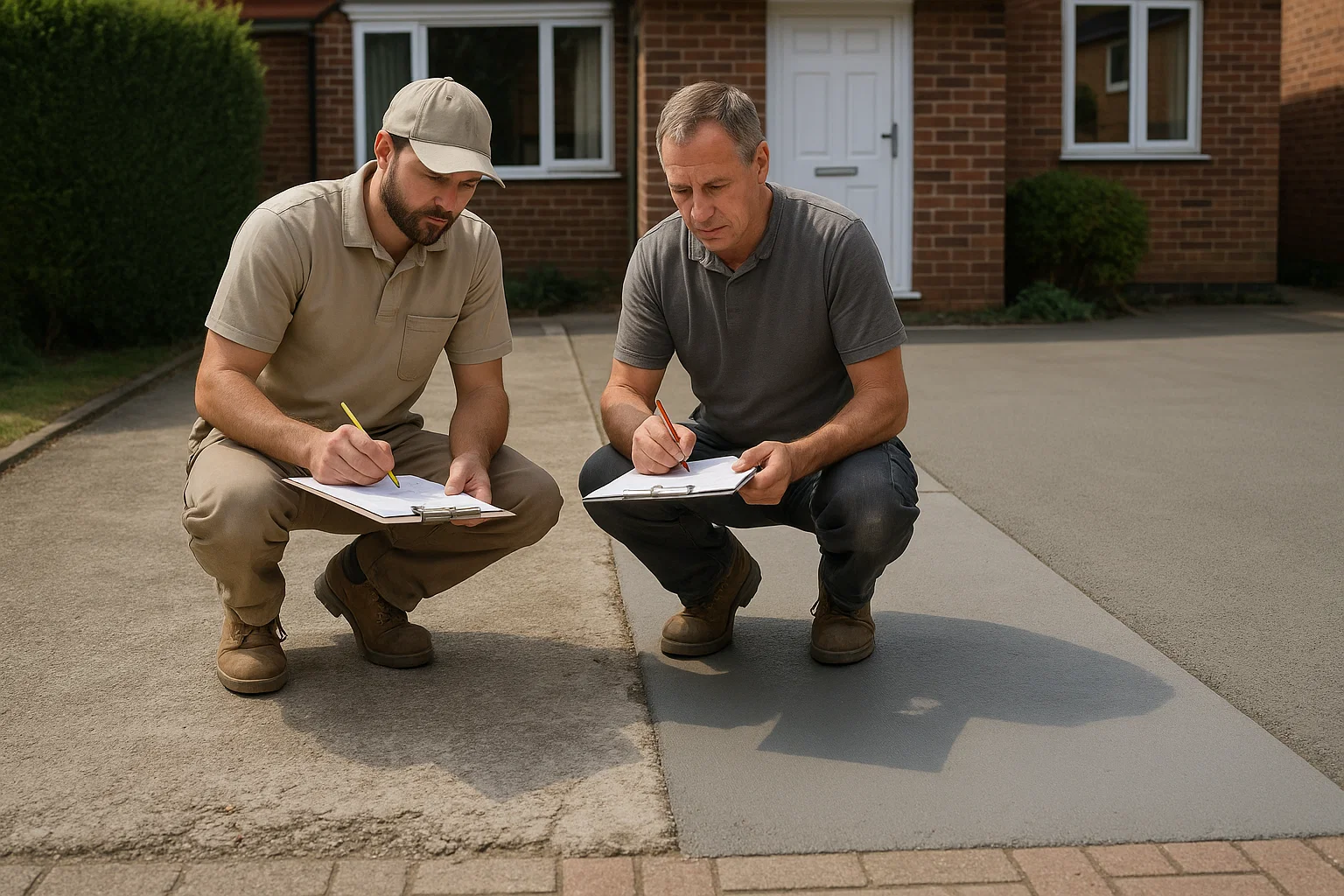
L&R Surfacing: Specialists in Concrete Repairs and Resurfacing
L&R Surfacing work across Manchester, Stockport and Cheshire, helping homeowners restore their driveways with long-lasting finishes. The team specialise in repairing worn surfaces, removing loose material, improving damaged areas and applying modern resurfacing systems that stand up to years of use. Their experience ensures every project begins with an honest assessment, guiding homeowners towards the most cost-effective and durable solution.
Whether you want to refresh plain concrete, improve kerb appeal or explore alternatives such as resin-bound systems, L&R provide trusted advice and high-quality workmanship from start to finish.
Ready to Refresh Your Concrete Driveway?
A damaged or faded driveway doesn’t always need replacing. Concrete driveway resurfacing restores the appearance, strengthens the surface and improves kerb appeal without major disruption. If you want expert guidance on whether resurfacing is right for your home, L&R Surfacing can help.
Get in touch today for friendly advice or a free on-site assessment. Your driveway might be much closer to a transformation than you think.

