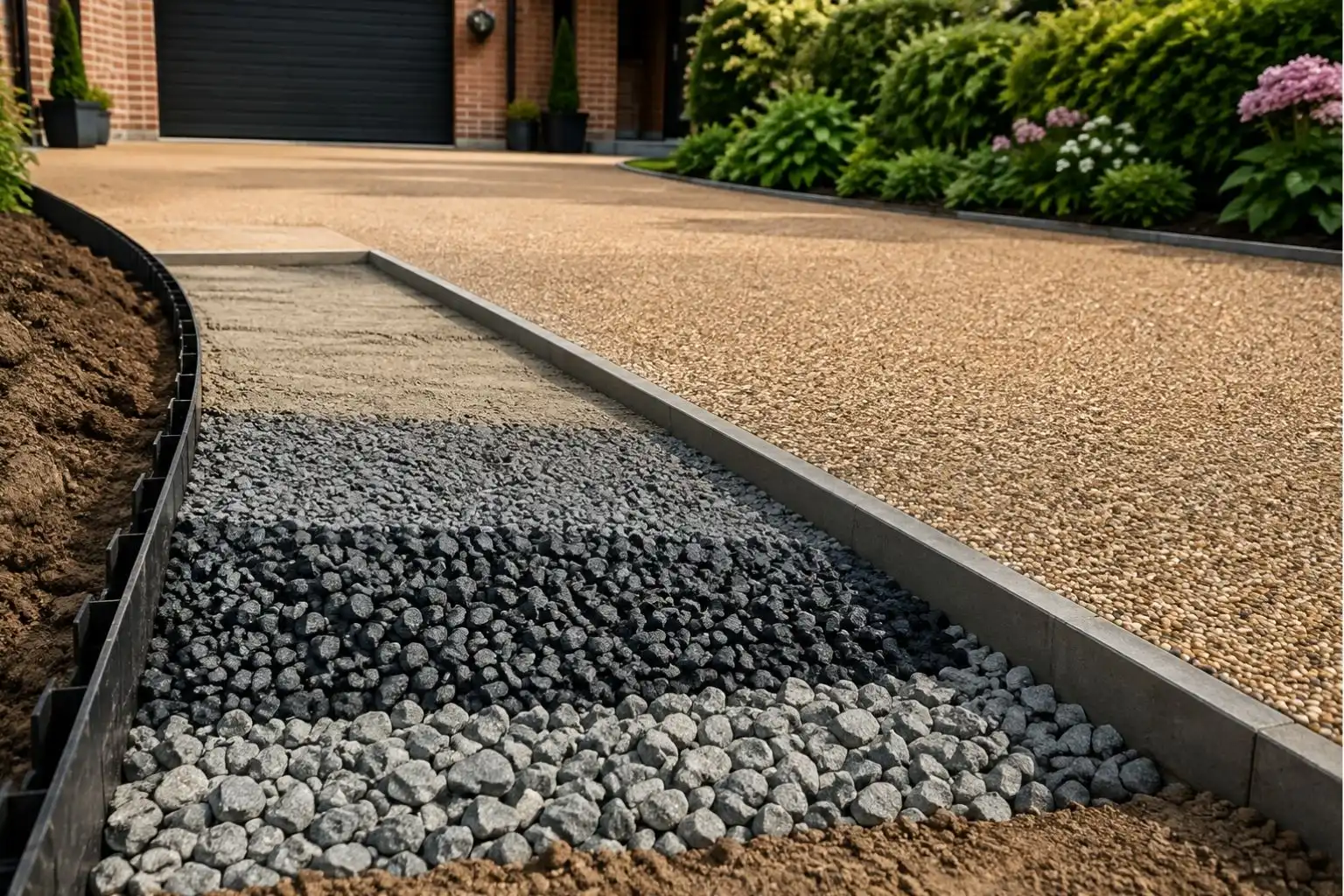
A well-presented outdoor space can change how buyers feel before they even step over the threshold. Neat paving, tidy borders, attractive garden paths and a modern driveway create confidence that the property has been cared for. That first impression travels with the viewer as they move through the rest of the house, which is why exterior work often delivers more visible results than interior tweaks. If you’re wondering how much value outdoor upgrades can add, the answer depends on location and finish, but the right choices can lift demand and push the asking price into a stronger bracket. Done well, these improvements add real value to your home today while making selling easier tomorrow.
Investing outside isn’t about building a show garden. It’s about delivering function, longevity and a look that suits your property types and lifestyle. A simple plan that connects the front door to parking, then to the back garden, helps buyers read the plot at a glance. Clean lines, good materials and low maintenance choices reduce future work for the next owner. That balance of practicality and style is what translates to value to your home when the listing goes live.
First Impressions That Move the Needle
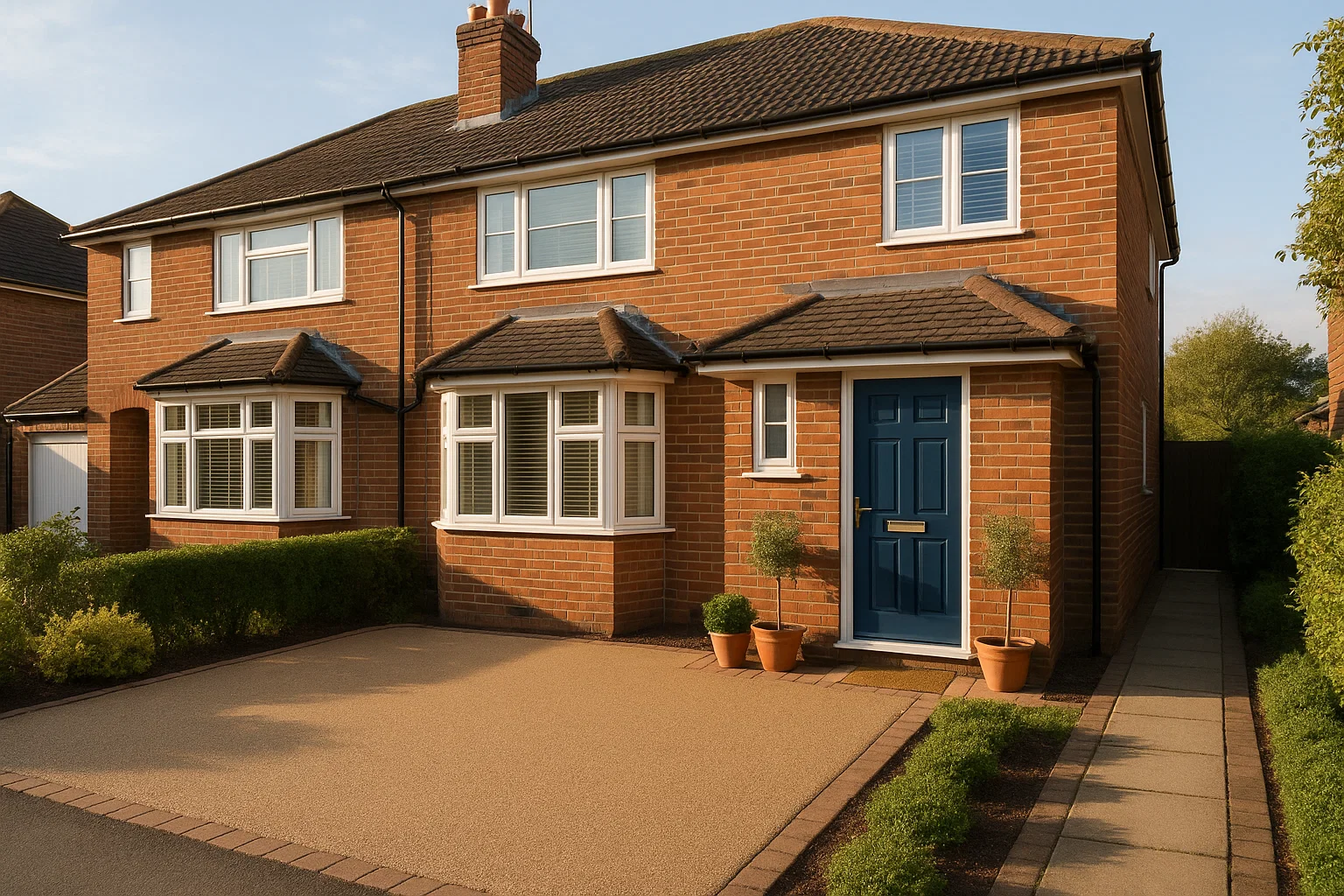
Step back to the pavement and look at your home like a buyer would. The route from kerb to front door tells a story about how the property has been maintained. A cracked path, uneven steps, or stained concrete makes people cautious. A resurfaced driveway, new edging and a well-marked entrance feel inviting. An experienced local estate agent often suggests exterior tweaks before photography, knowing they lift the average price that similar homes achieve nearby. A wider pool of interest usually follows, which improves your negotiating position with each estate agent viewing.
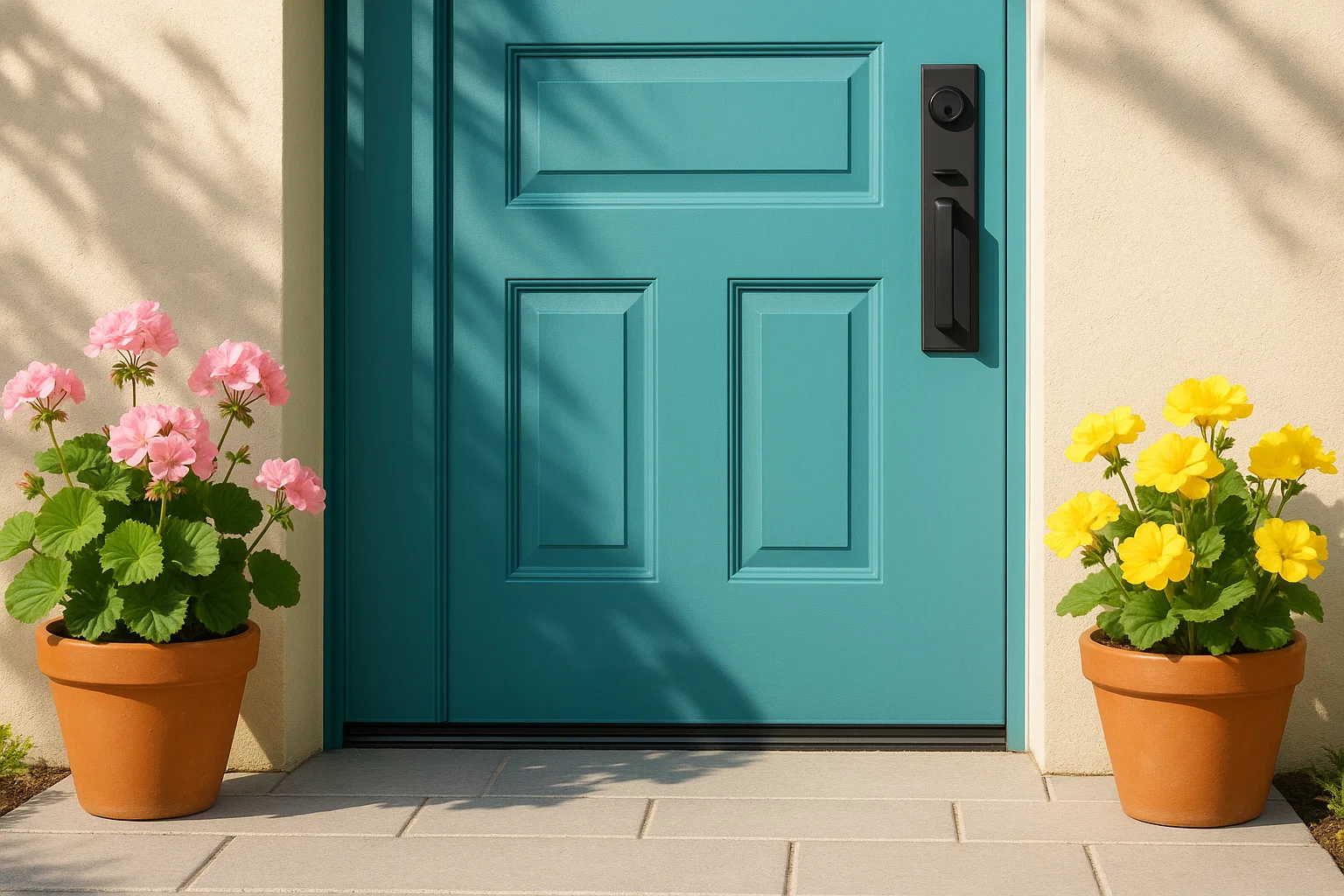
Colour also changes perception. A painted front door, coordinated planting and simple lighting create a warm welcome at modest cost. Buyers imagine arriving home from work, unloading the car and walking a clear, safe route inside. That clarity matters to families with prams, to downsizers who prefer steady footing and to anyone who values a clean, modern finish. These cues justify a firmer asking price and help nudge offers in the right direction.
If you want a quick win on presentation, see how a well-designed garden can transform your home with simple layout tweaks, planting rhythm and lighting that photographs beautifully.
Driveways That Deliver Return
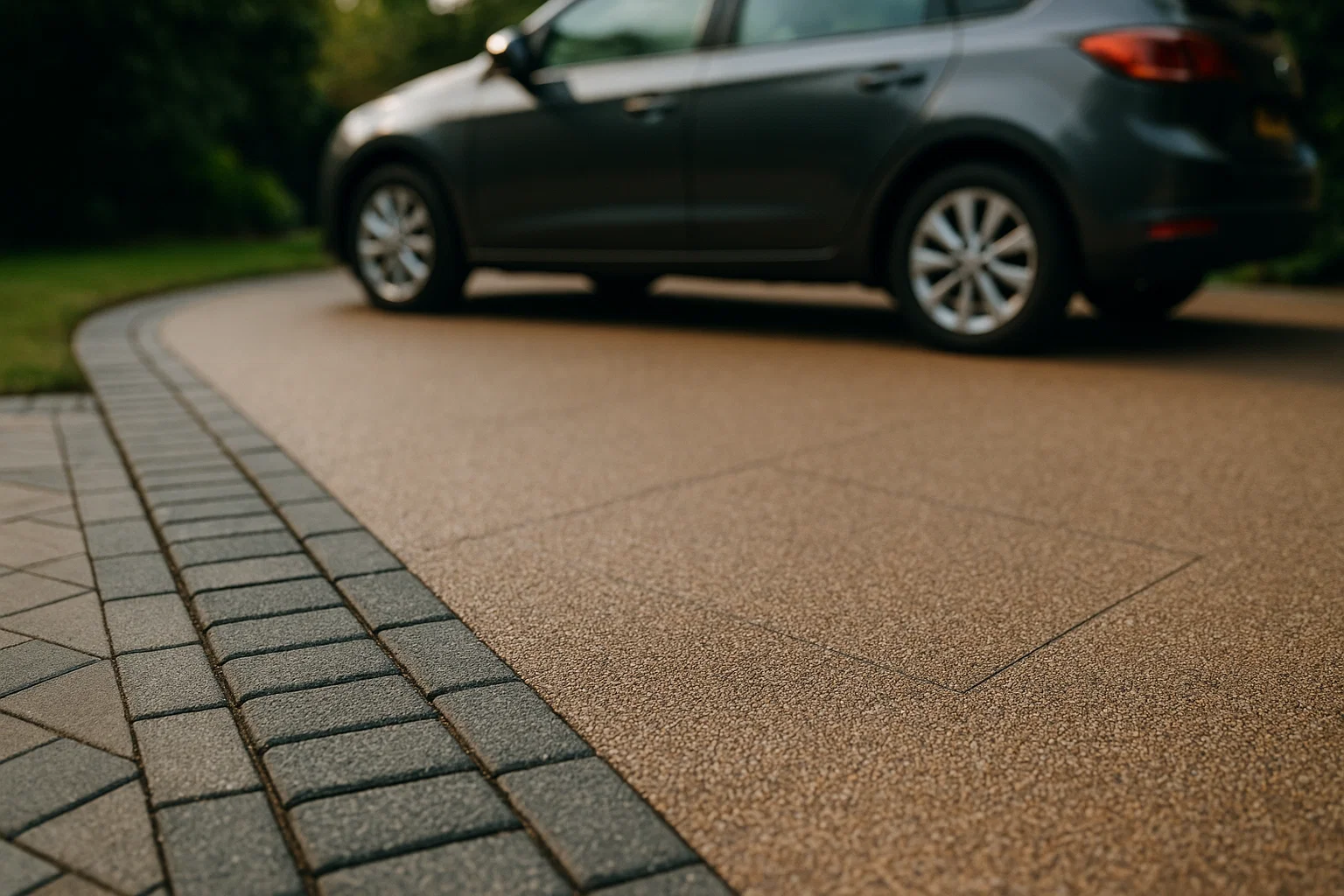
Parking is a daily need rather than a decorative extra. That is why driveways influence offers more than many sellers expect. Resin-bound surfacing gives a smooth, permeable finish that drains well and keeps its colour. Imprinted concrete offers bold pattern and a premium look without the gaps that invite weeds. Both options are durable and low maintenance, which means fewer jobs for a future owner. Low upkeep is a major benefit for busy households and a selling point that adds value to your home.
Not sure which surface will suit your home and budget best? Our side-by-side guide to imprinted concrete vs resin driveways explains the look, maintenance, drainage and long-term costs in plain English.
Layout is as important as material. If vehicles have to shuffle every morning, buyers hesitate. Widening the entrance, easing the turning circle, or re‑striping with contrasting stone can turn a tight plot into a simple one. That change helps an average home feel better planned than rivals on the same street. Clear drainage planning is vital too. The right system keeps water away from the house and supports the long-term condition of paths and patios. That sense of robust design feeds into the story your home tells during viewings and strengthens the feeling of value to your home.
Patios, Garden Paths and Outdoor Seating
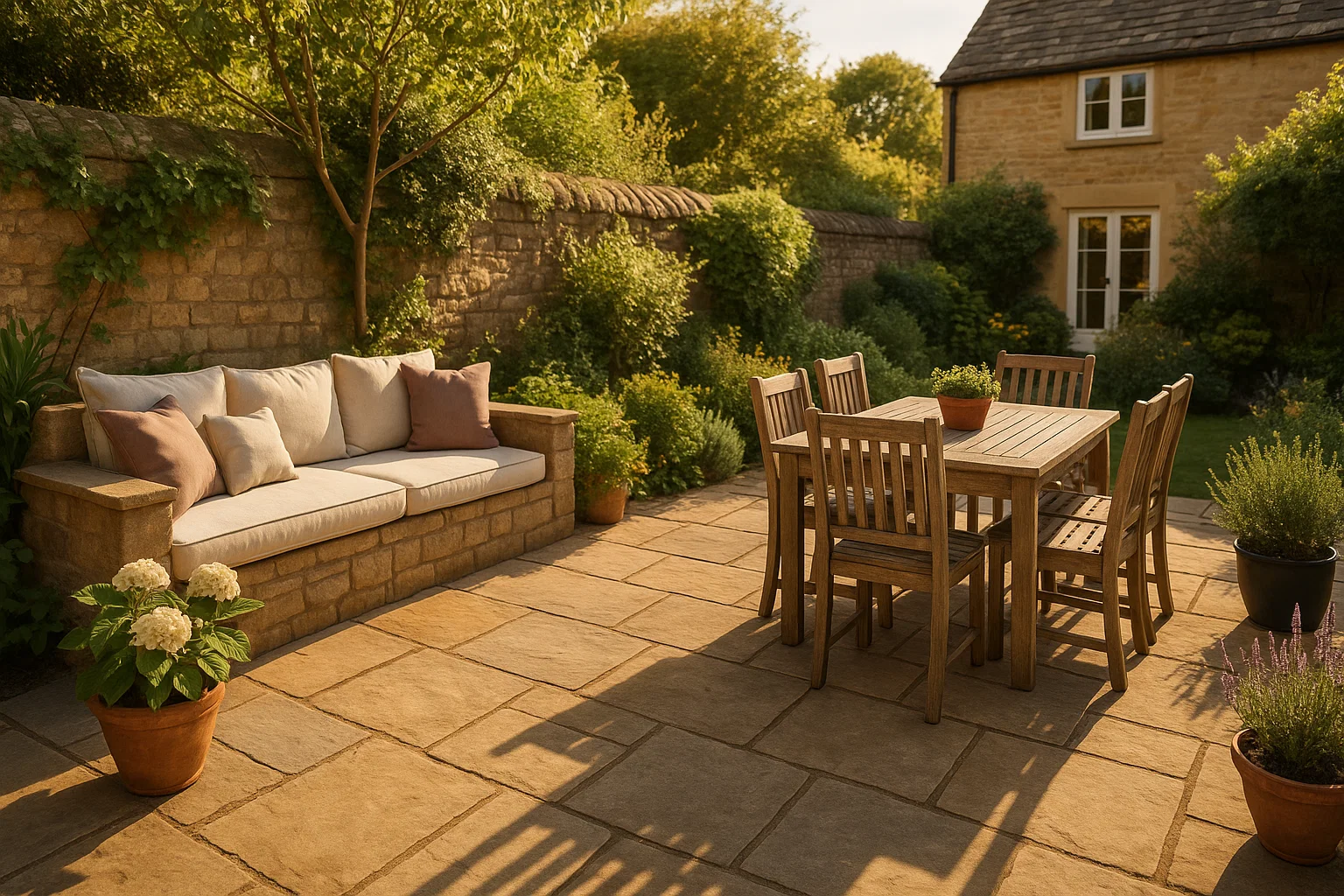
Once parking works, attention moves to places to sit and spend time. A well-built patio acts like another living space, especially when it links naturally to the kitchen or dining room. Good garden paths tie the whole plot together, guiding movement to outdoor seating, sheds, or a studio. Consistent materials between driveway and terrace make the plot feel larger and calmer. That cohesion reassures viewers that they can entertain, relax and live outside with ease.
Comfort drives use. Consider shelter from wind, a sunny corner for morning coffee and gentle statement lighting for late evenings. Buyers remember how a place makes them feel, if they can picture family meals or quiet time with a book, the idea of moving in becomes more real. Spend time on the small details. Step heights, path widths and handholds improve access for children and grandparents alike. Practical touches that make daily life easier add value to your home in ways that glossy features often cannot.
Thinking about covered seating that works in all seasons? Here’s whether a pergola actually works with UK weather and how to spec one that adds real buyer appeal.
Landscaping That Sells Without High Upkeep
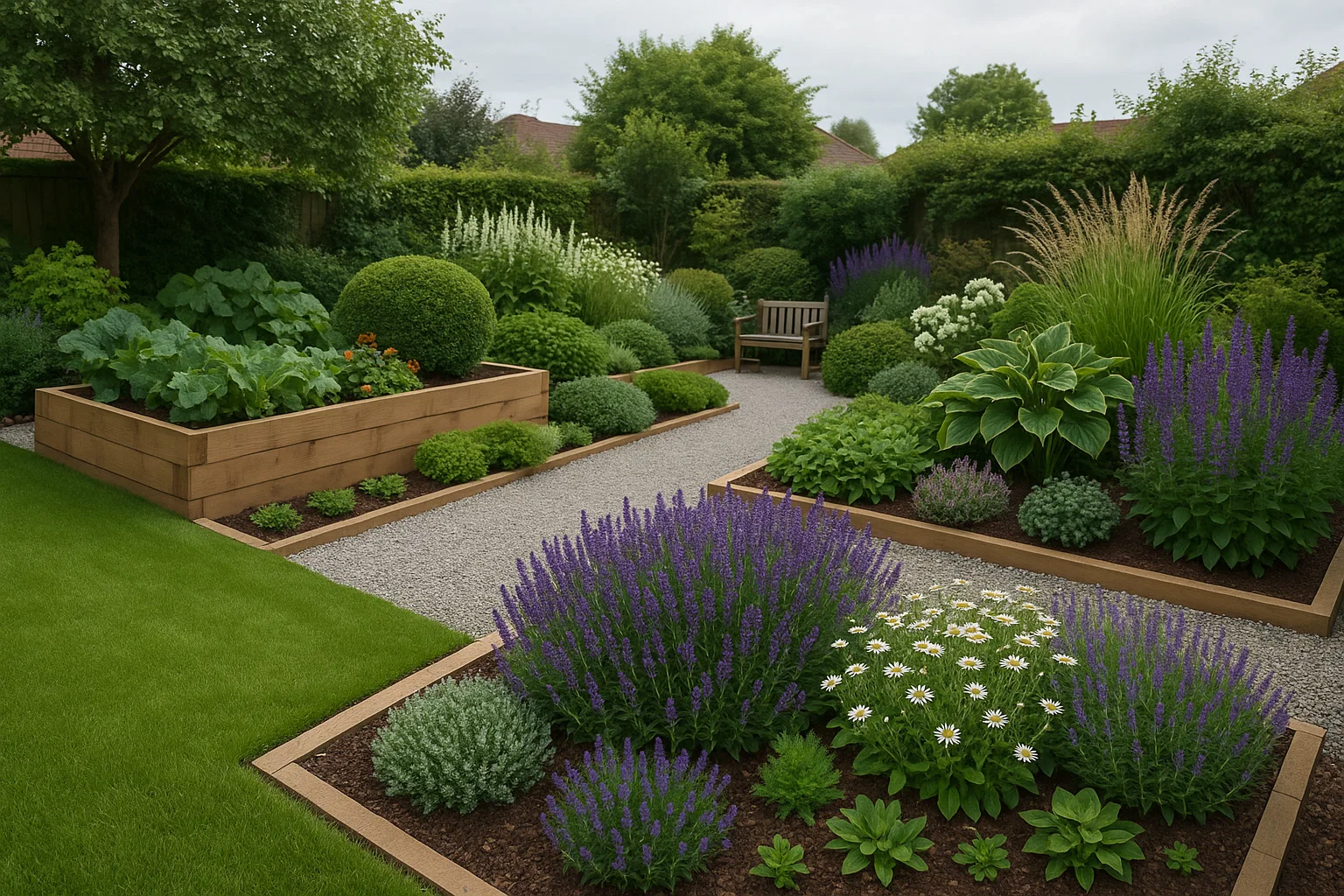
Not every buyer wants a horticultural project. Low maintenance planting keeps things attractive with less effort, which broadens your audience. Low growing plants at the front reduce trimming, while raised planters in the back garden keep soil and mulch tidy. Many homeowners now group plants by water needs or sunlight, which cuts waste and makes care simple. Seasonal interest through evergreens and long-flowering perennials keeps photos strong all year.
Container planting helps where beds are small. A run of plant pots in a single colour looks polished, allows quick refreshes and avoids digging. This approach suits courtyards and terraces where the ground is paved. It also helps with staging before the first open day, buyers see a garden that delivers natural beauty with minimal chores. That impression increases perceived quality and supports a better outcome when you ask what the market’s average price will bear.
Structure, Levels and Retaining Walls
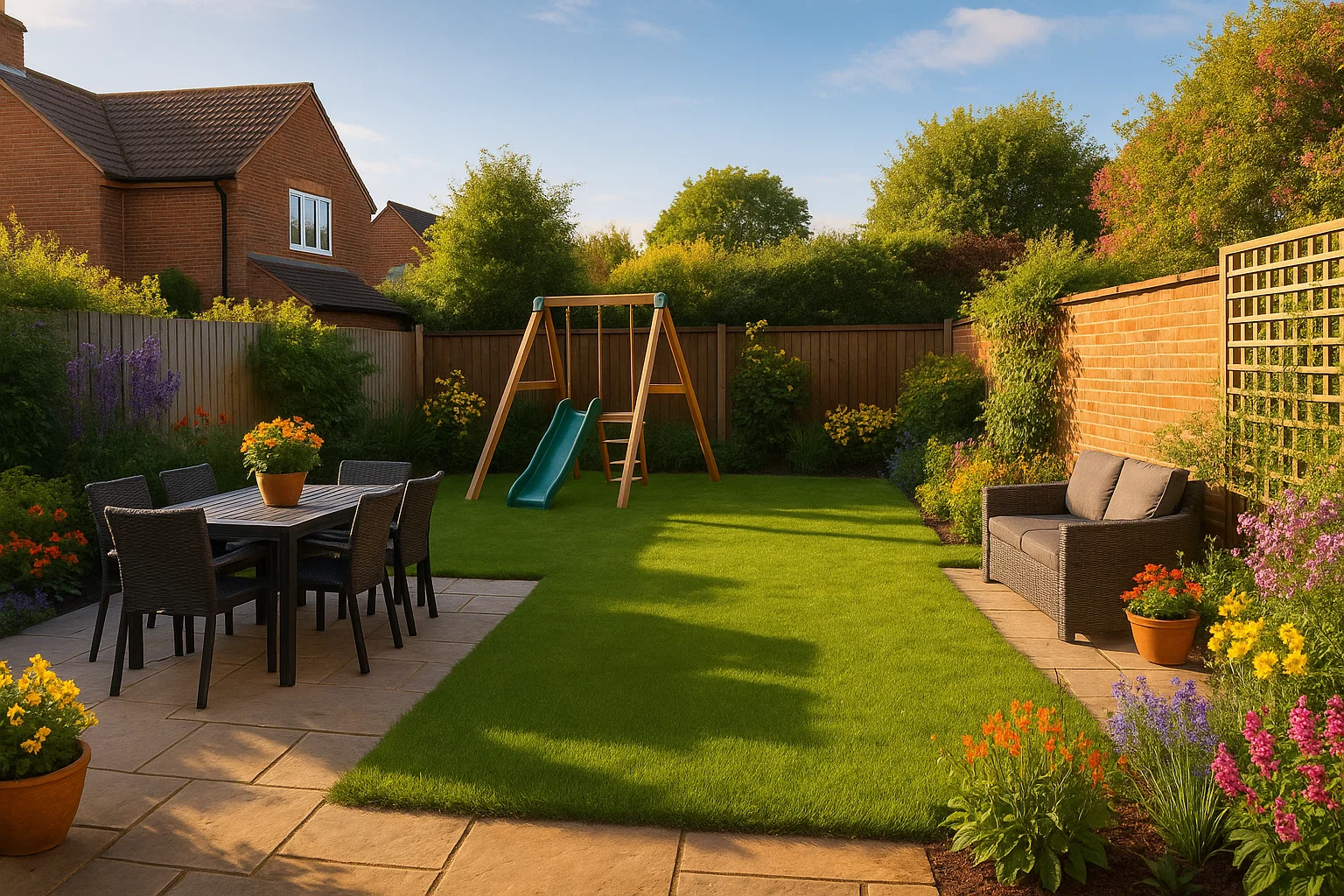
Many UK plots slope. Terracing uses retaining walls to hold soil safely and capture level platforms for dining, play, or a shed. Good walling increases usable area and reduces erosion in heavy rain. Where space is tight, steps with gentle rises and non-slip treads keep movement comfortable. The eye reads these strong lines as order and care. If you then create zones with planting or screens, the back garden becomes a set of purposeful rooms rather than a single rectangle.
Materials matter. Natural stone feels timeless, while textured concrete keeps costs predictable. Brick ties new features back to older houses with ease. Whatever you choose, match coping stones, risers and edging so the look is consistent from path to terrace. Consistency is calm and calm sells. The outcome is a practical structure that adds daily comfort and quiet confidence, which translates to deeper value to your home.

Design Choices Buyers Notice Immediately
Small touches carry weight too. House numbers that read from the street save couriers time and make arrival easy. Bin stores that breathe but hide clutter keep photography clean. An outdoor cooking corner with weatherproof worktops and durable cabinet doors turns a patio into a destination. Screening for utilities offers order without drawing attention. These choices are modest in cost yet high in perceived quality.
Lighting extends use and improves safety. Low-glare wall lights by steps, warm strip lights under seat edges and a lantern near the front door help evenings feel special. The line from gate to threshold becomes a story in pictures. These human details suggest the house is ready for living now, which removes a common buyer objection. That removal nudges offers toward the top of your range and adds measurable value to your home.
How Much Value Can You Expect?
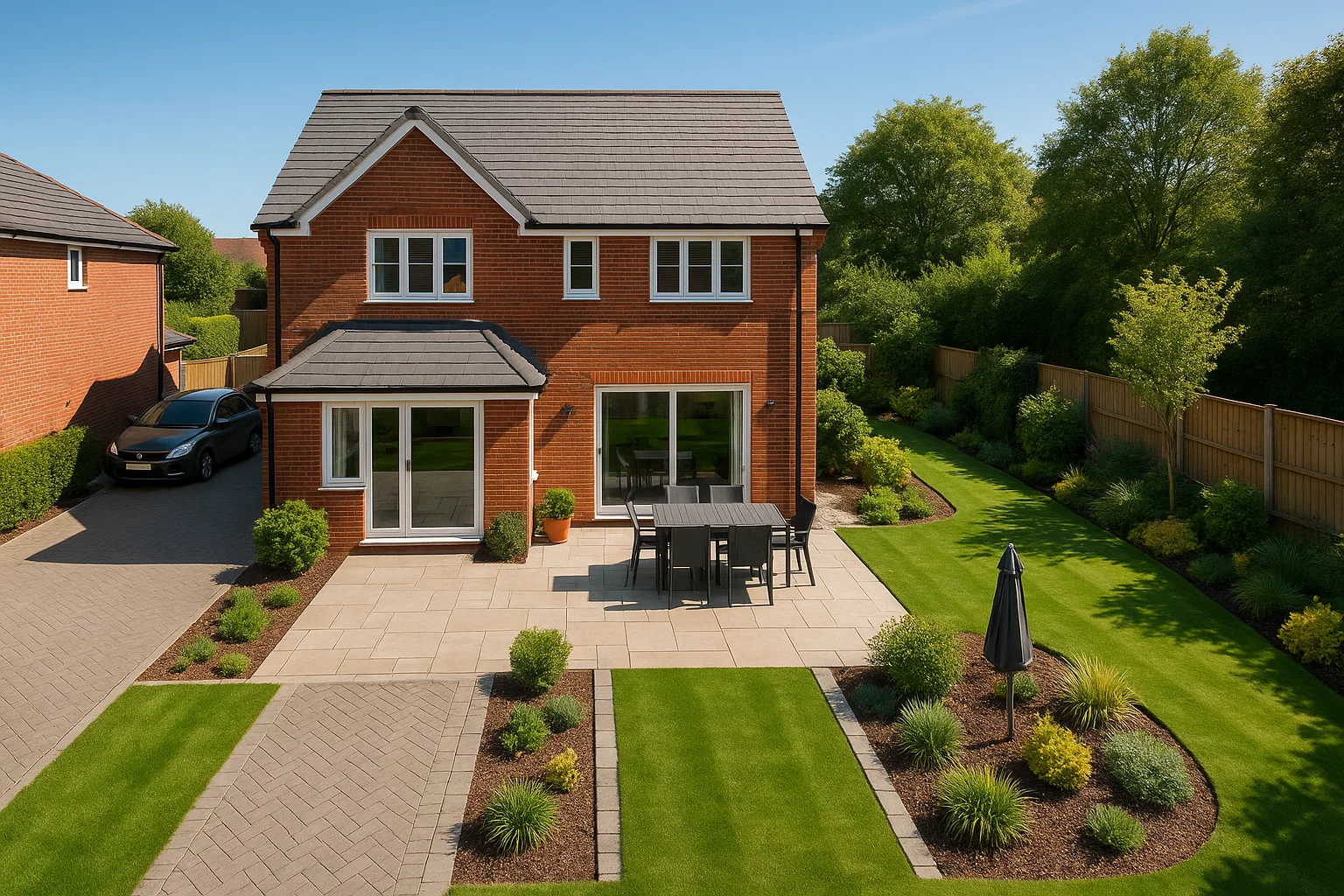
Sellers often ask how much value exterior projects add compared with kitchens or bathrooms, the honest answer is that context rules. A tidy, coherent outside can push a home above the area’s average price by attracting more viewers and giving fewer reasons to haggle. A dated, cracked outside pulls the figure down, even if the interior shines. A clear, safe driveway, readable paths and a set of zones for dining and play narrow the gap between desire and decision.
Evidence on exact percentages varies with markets and seasons. A shrewd local estate agent will compare recent sales and show how your new photographs and plan could position the property. That advice helps set a realistic asking price and avoids a stale listing. The aim is not to promise a fixed return but to sharpen first impressions, widen interest and make the home easier to buy. Those factors are what consistently build value to your home when buyers line up their shortlist.
Planning Permission, Drainage and Rules to Know
Most surfacing and garden projects fall under permitted development, yet it is wise to confirm planning permission needs before work begins. In England, replacing a driveway with a permeable system usually avoids permission, while certain impermeable areas over specific sizes may require it. Edging heights, boundary treatments and front fences can also trigger checks. Clarifying the position early prevents delays at conveyancing.
For the official rules on surfacing front gardens and when permeable systems avoid permission, check the UK Government Planning Portal guidance on paving your front garden. This page also clarifies SuDS expectations and how to keep surface water away from the house.
Drainage is not only a regulatory point, it is a longevity issue. Directing water away from walls and into the right channels protects paving, steps and thresholds. A compliant approach shows buyers that the property is future‑proofed and cared for. Professional installers handle these details as standard, which reduces risk at survey and supports the story of quality that adds value to your home. If you plan to alter levels or add large outbuildings, revisit planning permission guidance before you start so the file is clean when you sell.
Energy, Sustainability and the Paperwork Buyers Read
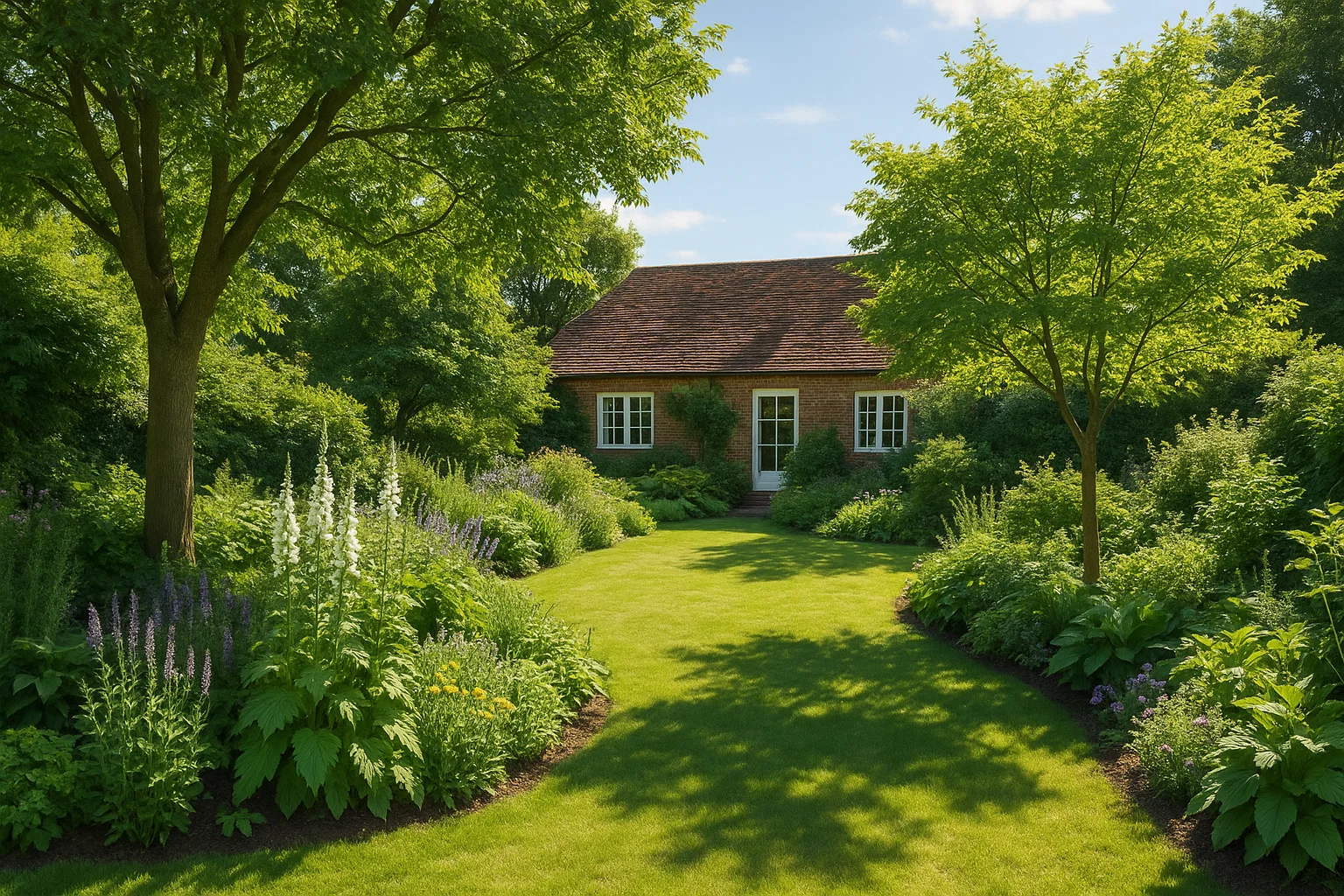
Modern buyers check the Energy Performance Certificate even before booking a viewing. Exterior upgrades can support the result in subtle ways. Good orientation for seating areas encourages real-world use of daylight. Well-planned planting can shade south‑facing rooms in summer and let sun in during winter. Thoughtful ground levels help keep damp away from walls, which protects the building fabric.
Sustainability also matters emotionally. Durable surfaces, local stone and permeable systems feel responsible and reduce long-term upkeep. That story resonates with many households, across budget and age groups. When the EPC, the photos and the narrative align, viewers see a home that performs well and looks good. Those layers strengthen confidence and increase the sense of value to your home.
Designing for Different Property Types and Budgets
Every house asks for a tailored approach. A city terrace benefits from broader steps, compact outdoor seating and smart storage. A semi with side access might prefer a path that guides bikes neatly to the back garden. A rural plot can carry wider drives and bolder planting, consider the feel you want rather than copying a single image. That way, your outdoor space solves daily problems and suits the architecture you have.
Budget controls pace rather than vision. Start with the route to the front door, the driveway surface and the main terrace. Those are the features shown in every photo and used every day. Add screens, plant pots and small trees later. Keep the plan consistent so phases lock together, the result is a coherent setting that improves your life now and supports your target when you list. That sequence is a practical path to value to your home.
Zoning: Making Small Plots Live Larger
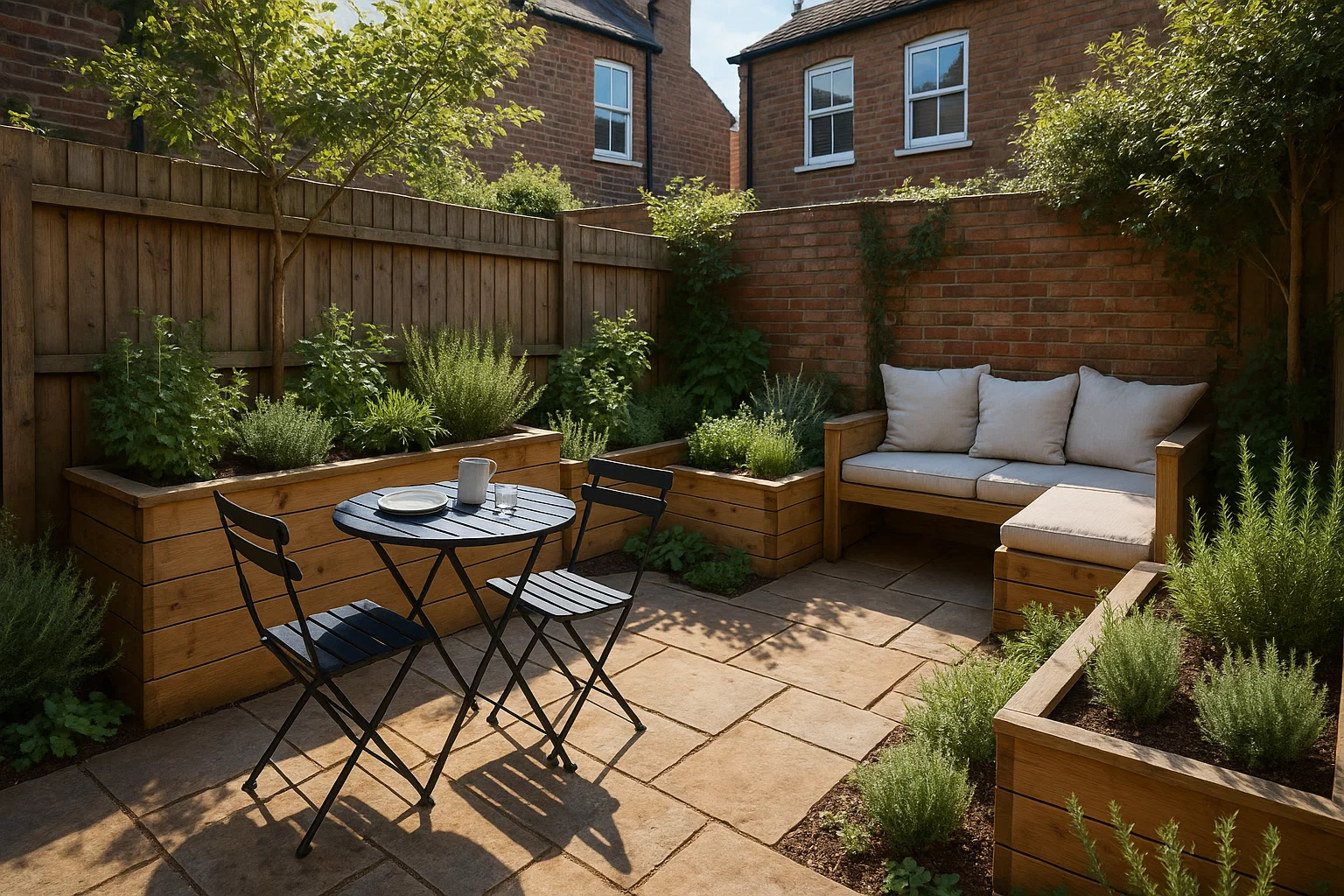
Big gardens are not required for big results. You can create zones that feel distinct without losing flow, a breakfast corner with bench seating, a play strip with soft surfacing and a dining area by the kitchen door turn a compact yard into a versatile outdoor space. Taller climbers frame views while low growing plants maintain sight lines across the plot. The effect is to borrow floor space visually while keeping care simple.
Edges do the heavy lifting. Setts that mark garden paths, simple trellis that shapes a route, or a low wall that doubles as seating all add structure. These devices signal purpose in the back garden and help buyers imagine daily routines. That vision of easy living is what converts interest into offers and builds value to your home.

Planting That Pleases Through the Year
Great planting schemes rely on rhythm. Repeating textures and colours ties spaces together and avoids visual clutter. In sunny spots, group plants with similar needs and use mulch to lock in moisture. In shade, choose reliable evergreens and spring bulbs for early lift. Where beds are shallow, raised planters create depth for roots and keep borders sharp.
Keep care realistic, stick to a low maintenance palette that clips neatly and resists common issues. Foliage that looks good in winter keeps photographs appealing during slower months. The aim is a setting that looks lively with modest input, not a collection that demands constant weekends. That balance sells well and raises the quiet sense of value to your home in the minds of viewers.
Linking Inside to Out
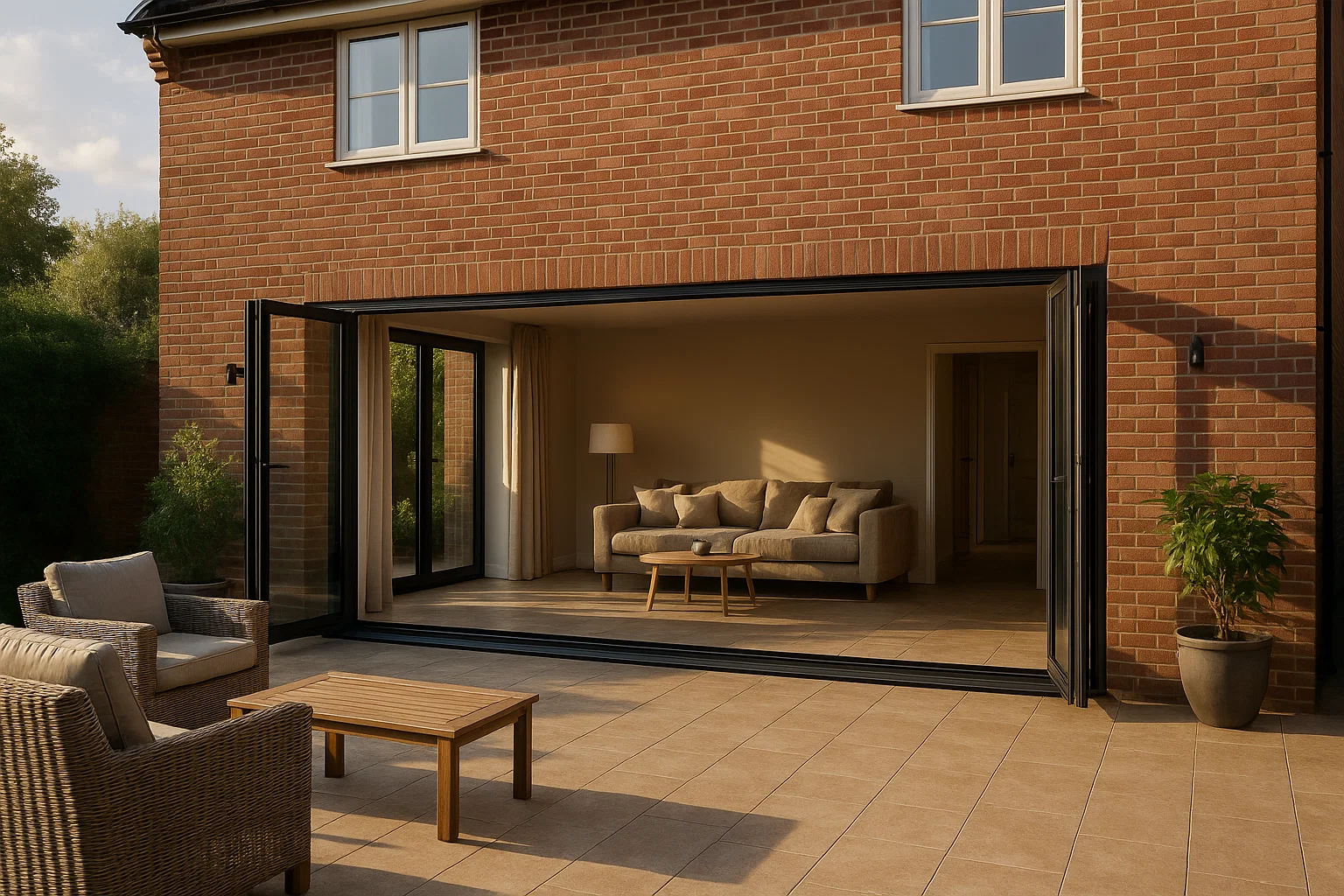
Homes feel larger when the transition to the garden is easy. Clear sight lines from kitchen to terrace encourage daily use, thresholds that sit flush reduce trips and sturdy mats inside and out keep grit away from floors. Matching colours between interior tiles and exterior paving helps rooms bleed into the outdoor space visually. Buyers read that continuity as quality and comfort.
Garden rooms and studios are popular, yet not every plot needs a full build. A pergola with screening creates shade and privacy, a small awning turns drizzle into ambience and simple fire bowl extends evenings. These touches are affordable, quick to install and picture well. They make ordinary homes feel special and produce the emotional response that reinforces value to your home.
Rules of Thumb Before You Start
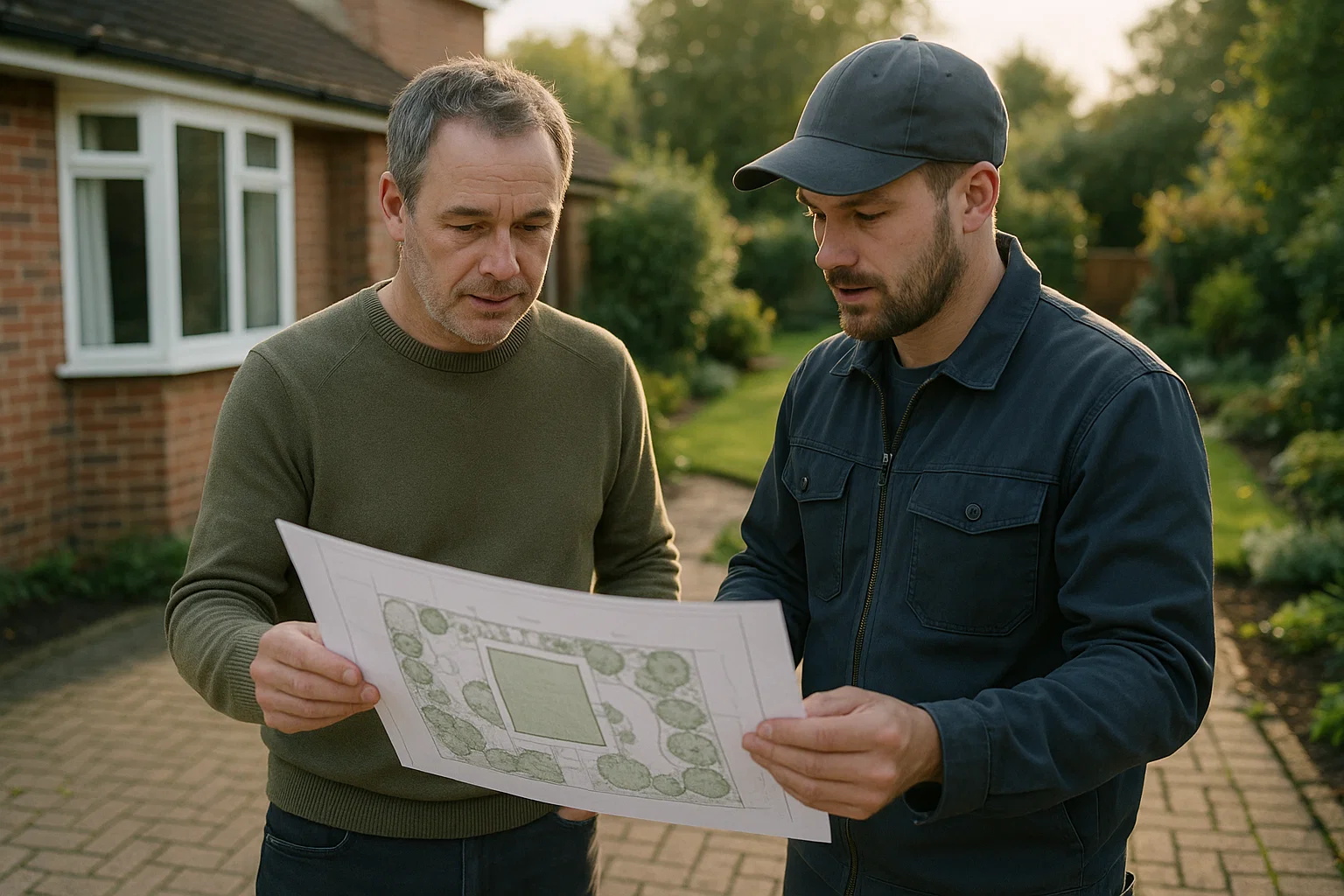
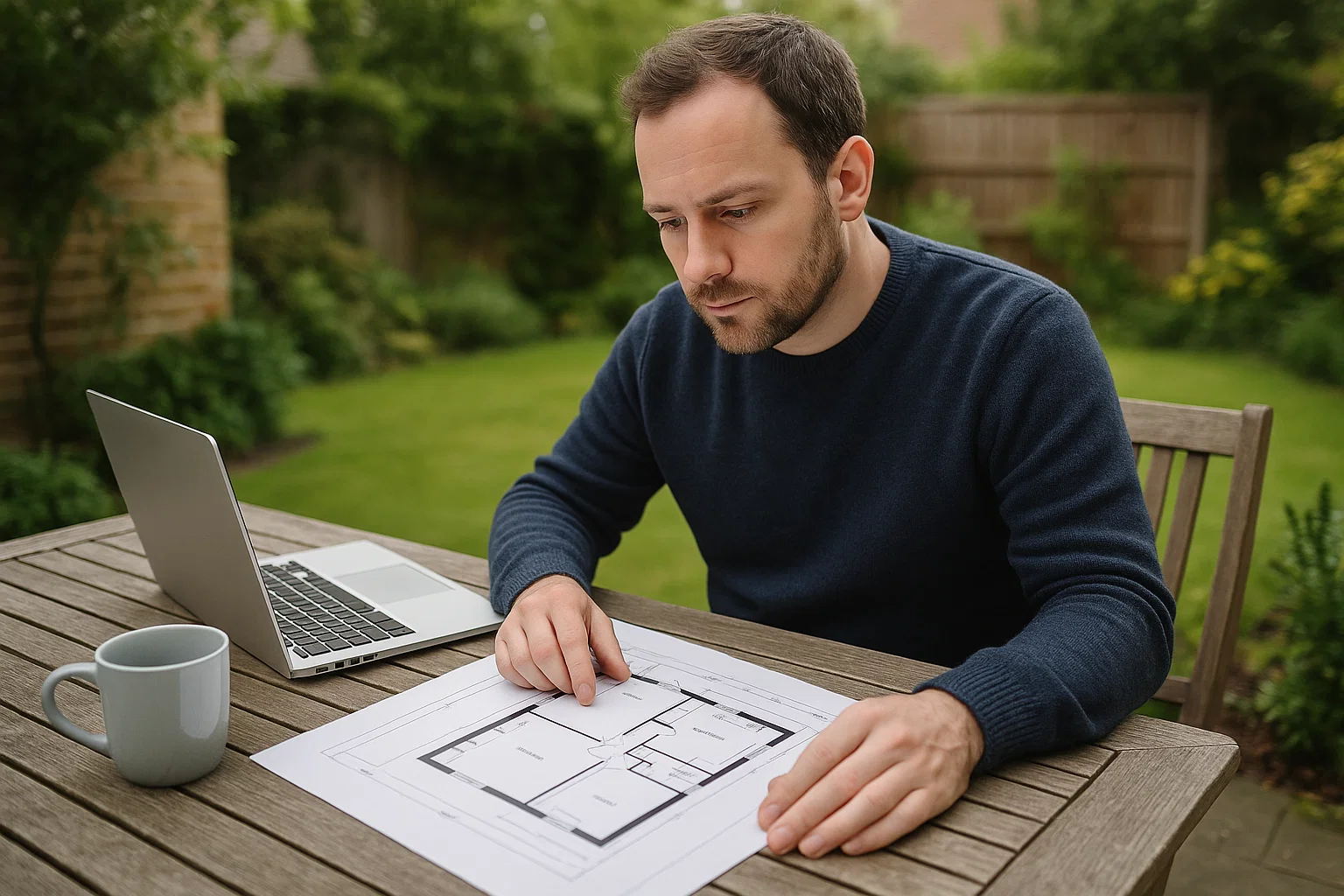
A few practical habits prevent setbacks. Confirm planning permission needs early, especially if you are changing levels or surface types. Agree drainage routes and check downpipes, gullies and channel runs. Keep garden design drawings simple but clear, showing path widths, step heights and turning circles for cars. Photograph the plot before, during and after work so buyers can see what lies under the surface. Good records reassure surveyors and keep conveyancing smooth.
Maintenance notes also help. A short guide on cleaning resin, sealing natural stone, or trimming hedges closes the loop. New owners value timely advice that supports the low maintenance promise. A small folder handed over on completion leaves a lasting impression of care. Those feelings matter when final figures are agreed and are part of the story that creates value to your home.
Where Modest Touches Go a Long Way
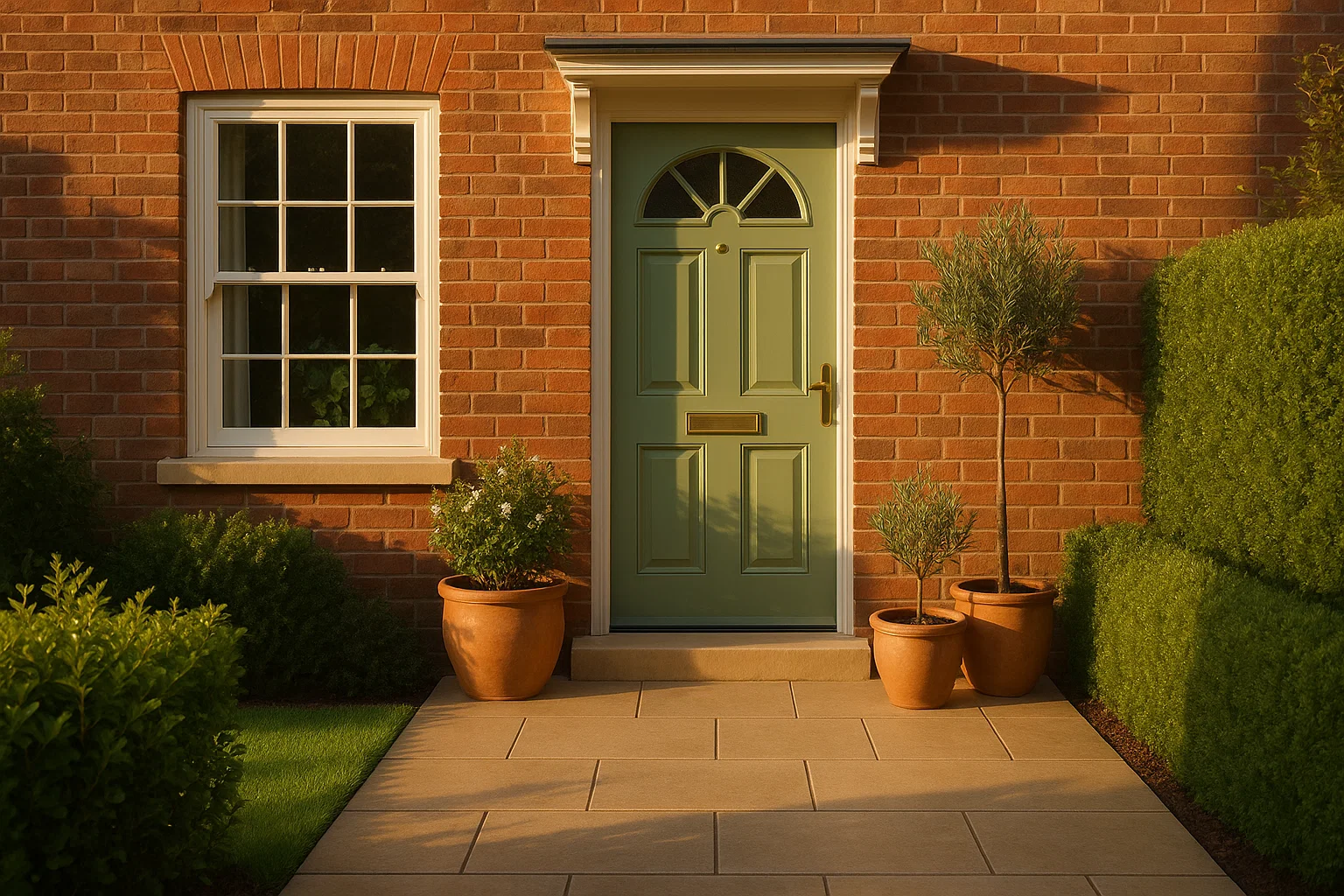
Not every improvement needs a big budget. Replacing tired gravel with compacted fines gives crisp garden paths for minimal cost. Refreshing the house number and post box near the front door sharpens presentation and painting the fence ties mixed panels together. If you have an outdoor kitchen run, swapping worn cabinet doors for weatherproof versions modernises the area in a day. These targeted changes prove that thoughtful detail can challenge the results of larger spends.
Plants work the same way, a trio of statement shrubs in matching plant pots creates a strong rhythm by the terrace. Herbs near outdoor seating look good and serve supper and a small water feature masks road noise and brings movement to a corner. These touches help the back garden feel curated rather than cluttered, which in turn feeds into perceived value to your home.
L&R Surfacing: Practical Quality with Lasting Impact
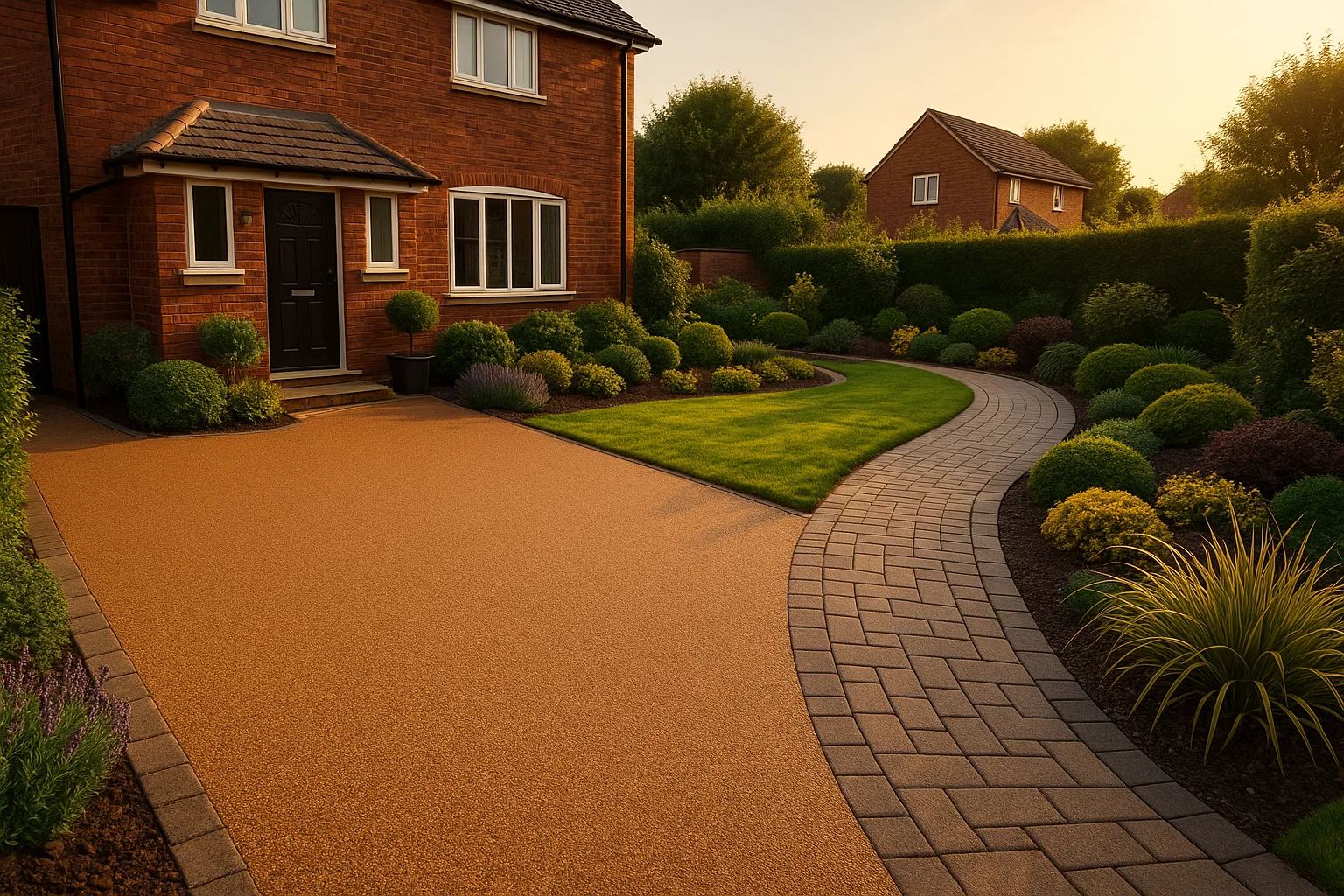
Results come from thoughtful garden design, robust materials and tidy installation. L&R Surfacing focuses on the details that keep projects looking fresh such as clean edges, level courses, correct falls and joints that resist weeds. The team guides you on material choice, shows how to tie driveway to terrace and plans routes that feel natural. That mix of craft and planning creates a calmer outdoor space that is easier to live with and easier to sell.
Clients often arrive with a folder of images. The role is to translate those into a scheme that fits the plot, suits the budget and keeps low maintenance tasks light. The outcome is a setting that photographs beautifully, works in daily life and builds the quiet confidence buyers notice. Those qualities are the reliable way to drive value to your home without chasing trends that age quickly.
Outside First, Results That Last
Homes that sell well make life feel simple from the kerb inwards. A coherent route to the front door, clear garden paths, protected thresholds and a welcoming terrace turn a collection of features into a lifestyle that buyers can picture. That is what loosens purse strings and supports a healthy asking price in line with or above the average price in your area. Exterior upgrades are not decoration, they are the framework that supports everything else.
If you want a plan that adds comfort now while lifting future sale prospects, focus on structure, surface and flow. Keep care sensible, use planting for rhythm and ground the design in the way you live. When the time comes to list, your photographs tell a cleaner story, your viewings feel easier and your offers reflect the work you have done. That is the real measure of value to your home, a calm and usable outdoor space that makes moving in feel effortless.