Let’s be honest the UK isn’t exactly a climate you’d associate with outdoor living. It rains more often than not, wind is a regular feature and those long sunny evenings we dream about tend to last a week or two at best. So, when you think about installing a pergola in your garden, the obvious question is – does it actually make sense?
The good news is that pergolas UK homeowners are choosing today are a far cry from the old timber frames of the past. With smarter designs, weather resistant materials and thoughtful add-ons, you can absolutely make a pergola work in our climate come rain or shine.
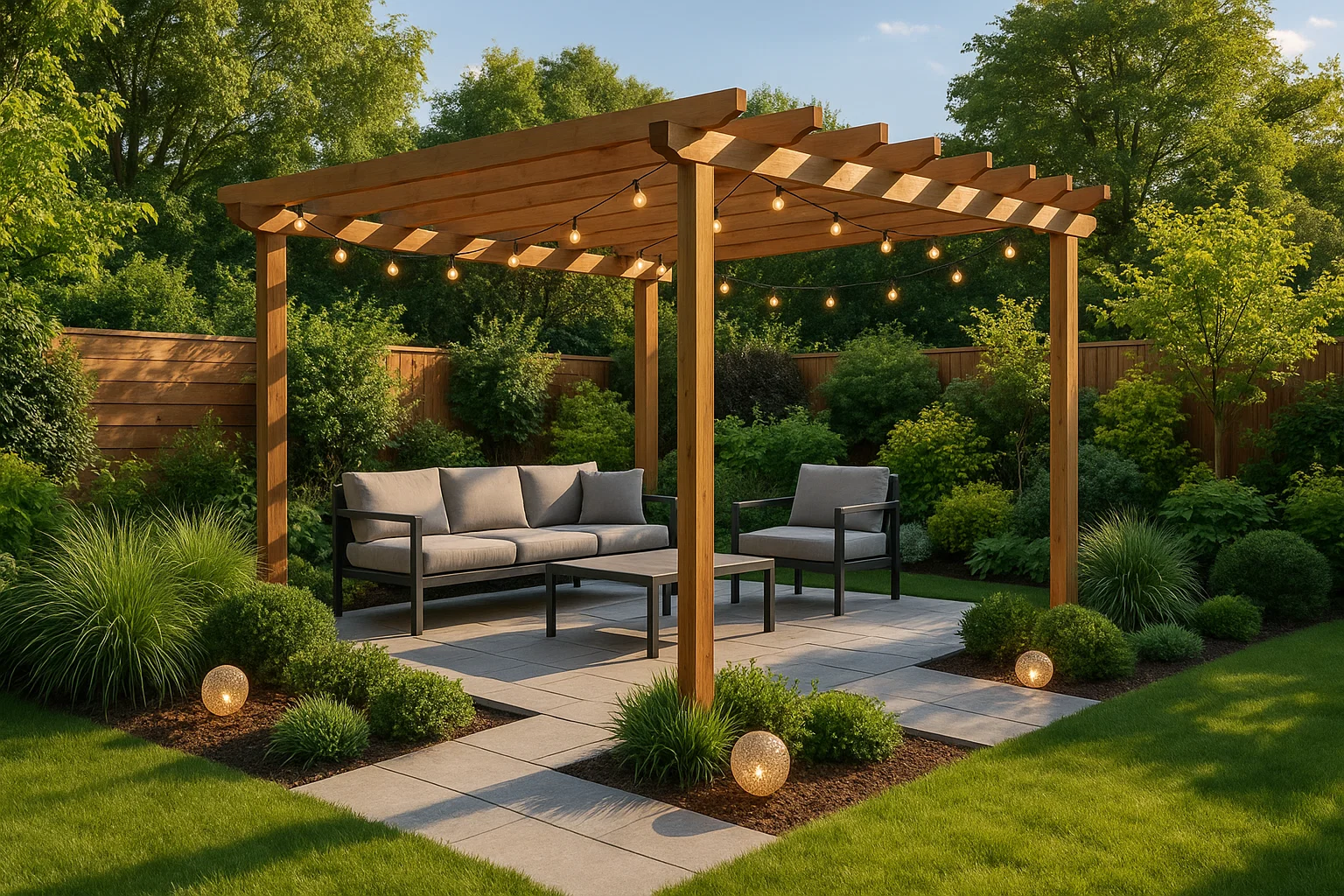
What Is a Pergola and Why Are They So Popular?
At it’s core, a pergola is a garden structure designed to frame and enhance your outdoor area. It’s typically made up of four posts and a roof that’s sometimes open, sometimes covered. Pergolas offer both function and form, we’re talking a place to sit, dine and unwind while adding architectural style to your garden.
Whether you’re entertaining guests, seeking shade, or just want to create a focal point for your garden design, pergolas create definition and structure without closing off the outdoors entirely. They’re especially popular with homeowners who want to blend indoor and outdoor living without the cost of a full extension.
A pergola often works best as part of a wider garden layout, see how a well-designed garden can completely transform your home by blending structure, planting and style.
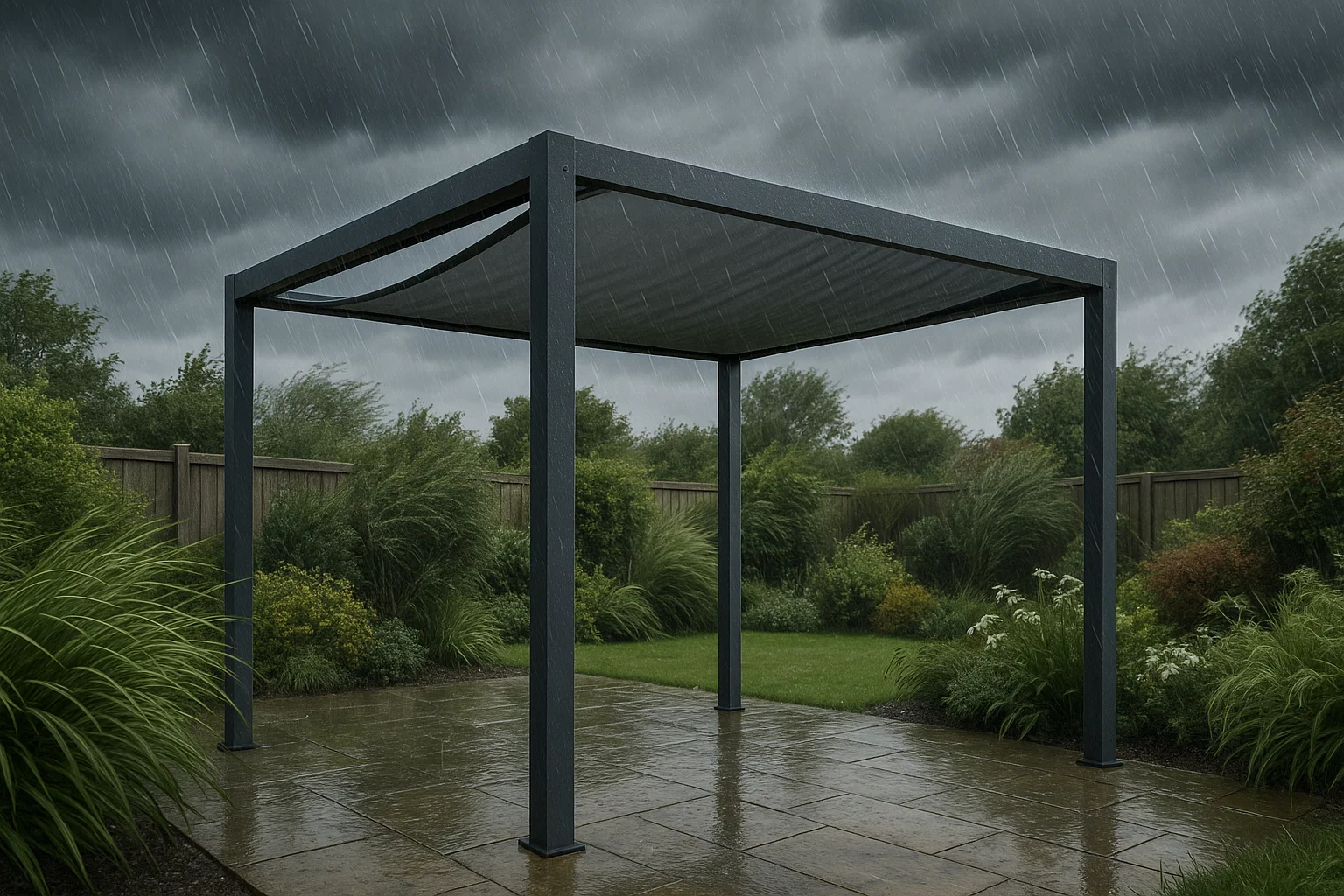
Can a Pergola Survive British Weather?
The UK weather throws everything at us from rain, sleet, strong winds and the odd burst of sunshine. So, for a pergola to be truly practical, it has to be built for extreme weather conditions. That means choosing the right design and materials and thinking carefully about location.
Many pergola kits sold online are made for calm, dry climates and simply don’t stand up to British winters. However, a quality installation using storm resistant, pressure-treated wood or aluminium pergolas can make all the difference. Aluminium is particularly popular for modern gardens, as it’s light, rust-proof and highly resistant to wind.
Pergolas in the UK work brilliantly but only when designed with weather in mind.
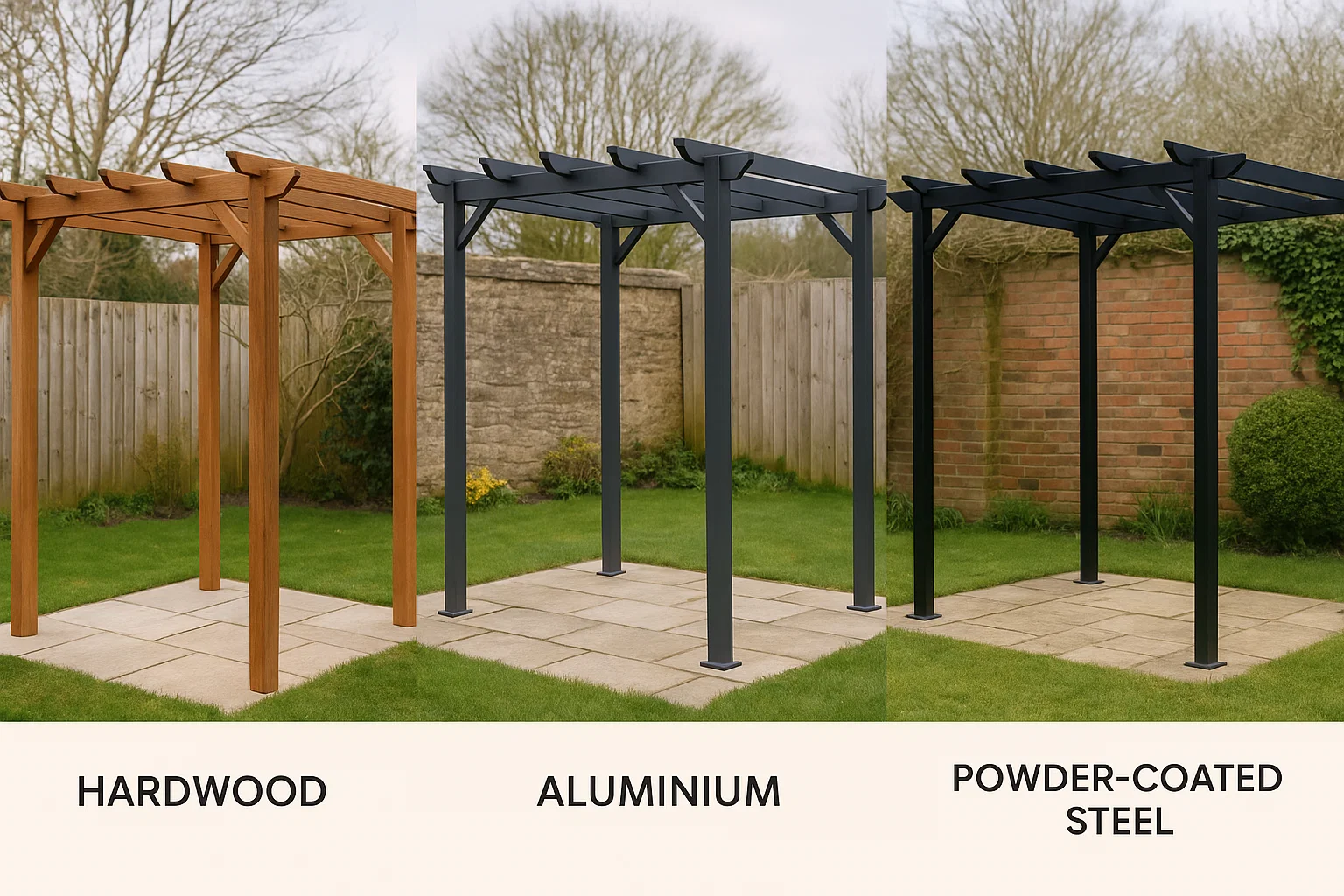
The Best Pergola Materials for Wet and Windy Gardens
If you’re serious about year round garden use, you need materials that won’t let you down. Hardwood, like cedar or oak, is naturally rot-resistant and offers a timeless look. Softwoods are cheaper but must be treated and maintained regularly. Steel and aluminium are great low-maintenance options and ideal for modern gardens or exposed sites.
Aluminium pergolas are sleek, lightweight and tough enough to stand up to rough weather. They’re also available in a huge range of finishes, making them perfect for customising your new pergola to suit your home.
Materials matter not just for durability but for how much maintenance you’ll need to keep everything looking good.
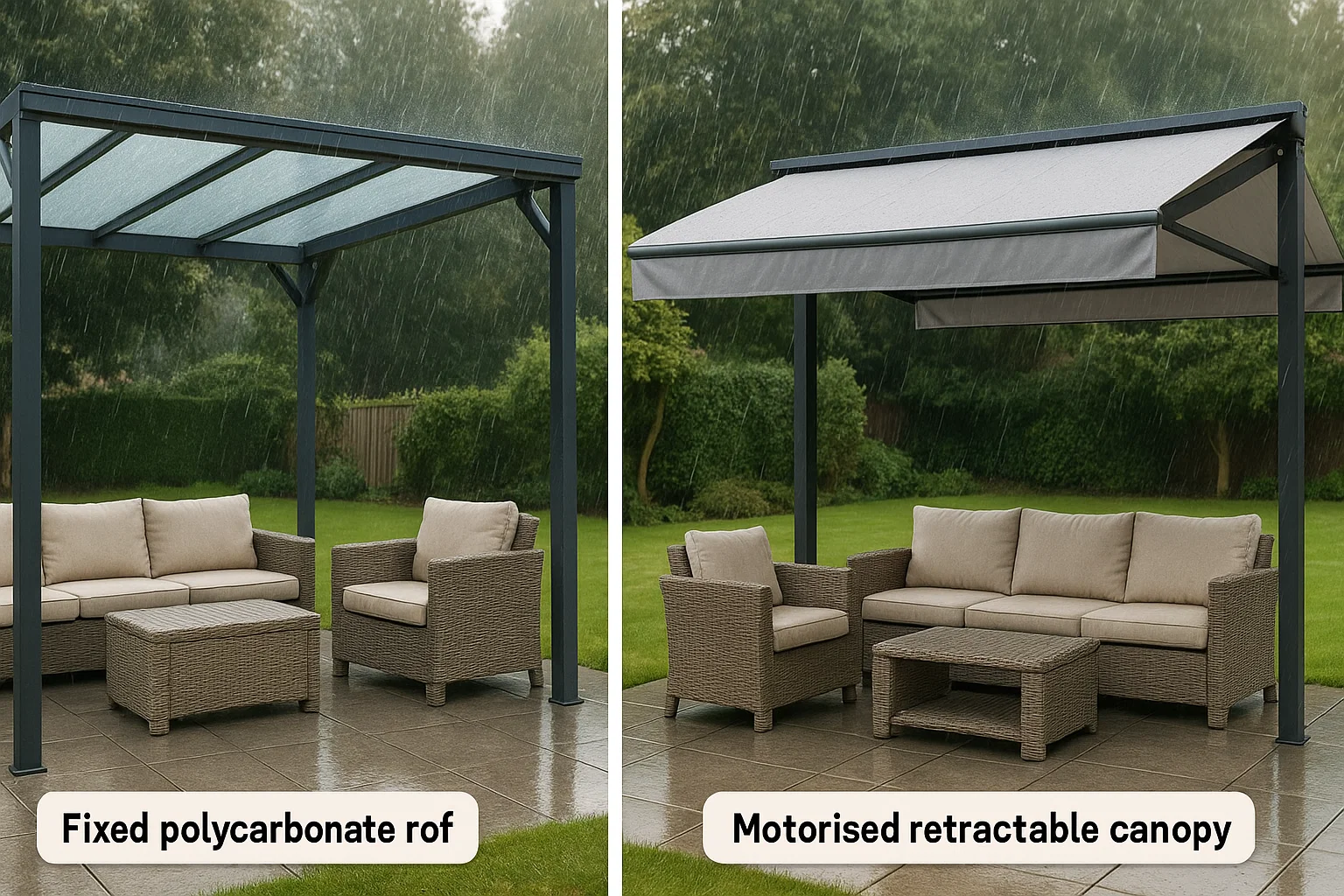
Fixed Roof vs Retractable Roof: What’s Right for You?
A pergola isn’t much use if you can’t sit under it in the rain. In the UK, where light showers are part of daily life, a fixed or retractable roof is key. Polycarbonate panels, timber slats and waterproof fabric options all offer different levels of protection.
A retractable roof gives you flexibility. Open it up to enjoy sunshine, then close it when the heavens open. Fixed roofs are better for full-time shelter but can block out some light. For year-round use, many homeowners are now combining louvred roof systems with glass sides or retractable fabric panels to create a weatherproof outdoor hub.
These systems are perfect for creating a living space that feels connected to the garden without being at the mercy of the forecast.
Making a Pergola a Perfect Outdoor Space
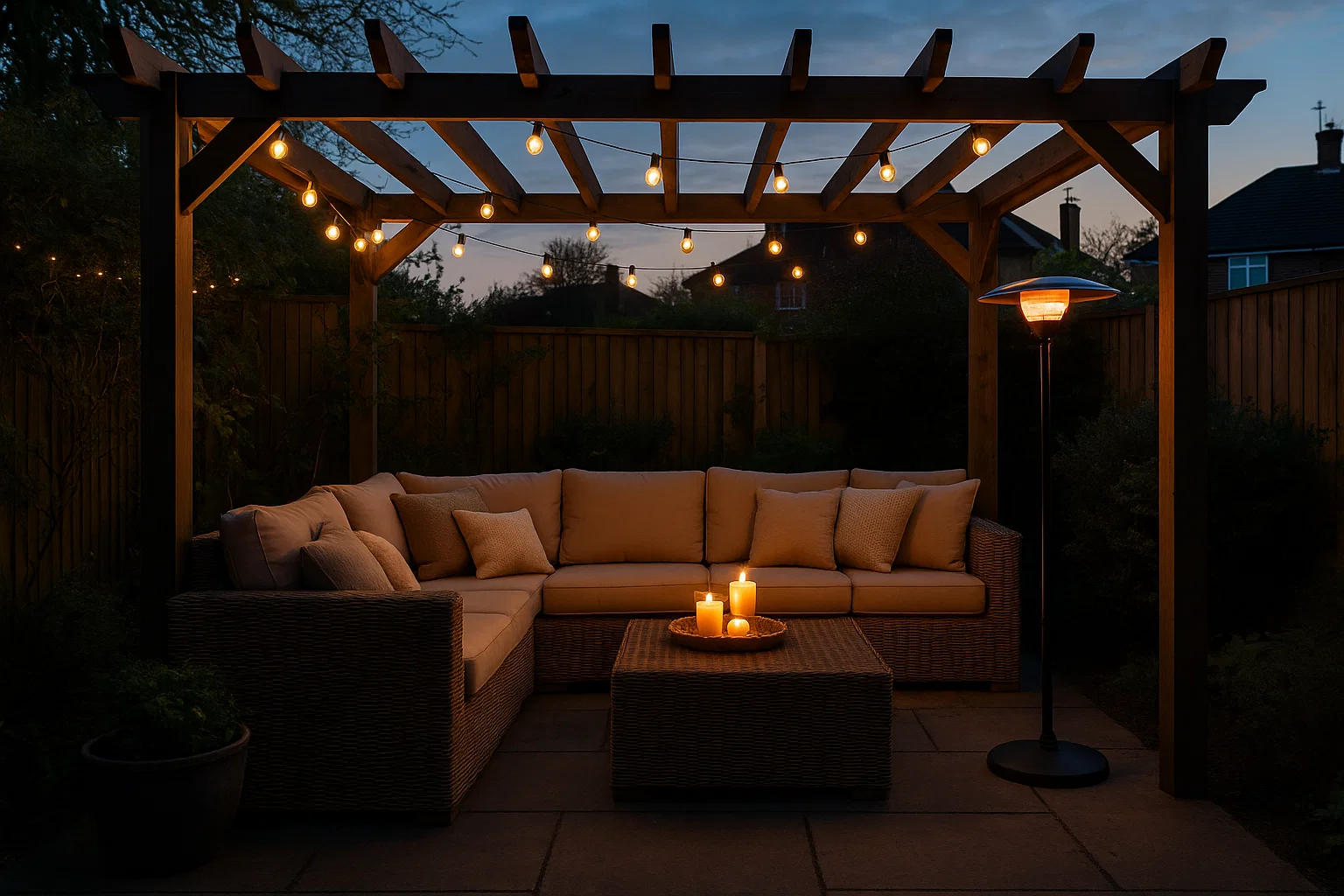
To make your pergola work in every season, you’ll want to think beyond just the frame. Weatherproof seating, windbreak panels and patio heaters can help turn your pergola into a true perfect outdoor space. Add ambient lighting, throws and cushions for comfort, all of a sudden you’ve got more than just a shelter, you’ve got an outdoor room.
Whether you’re planning alfresco dining, family movie nights, or just a quiet corner to read with a glass of wine, the right setup makes all the difference.
Are Pergolas Worth It for Small Gardens?
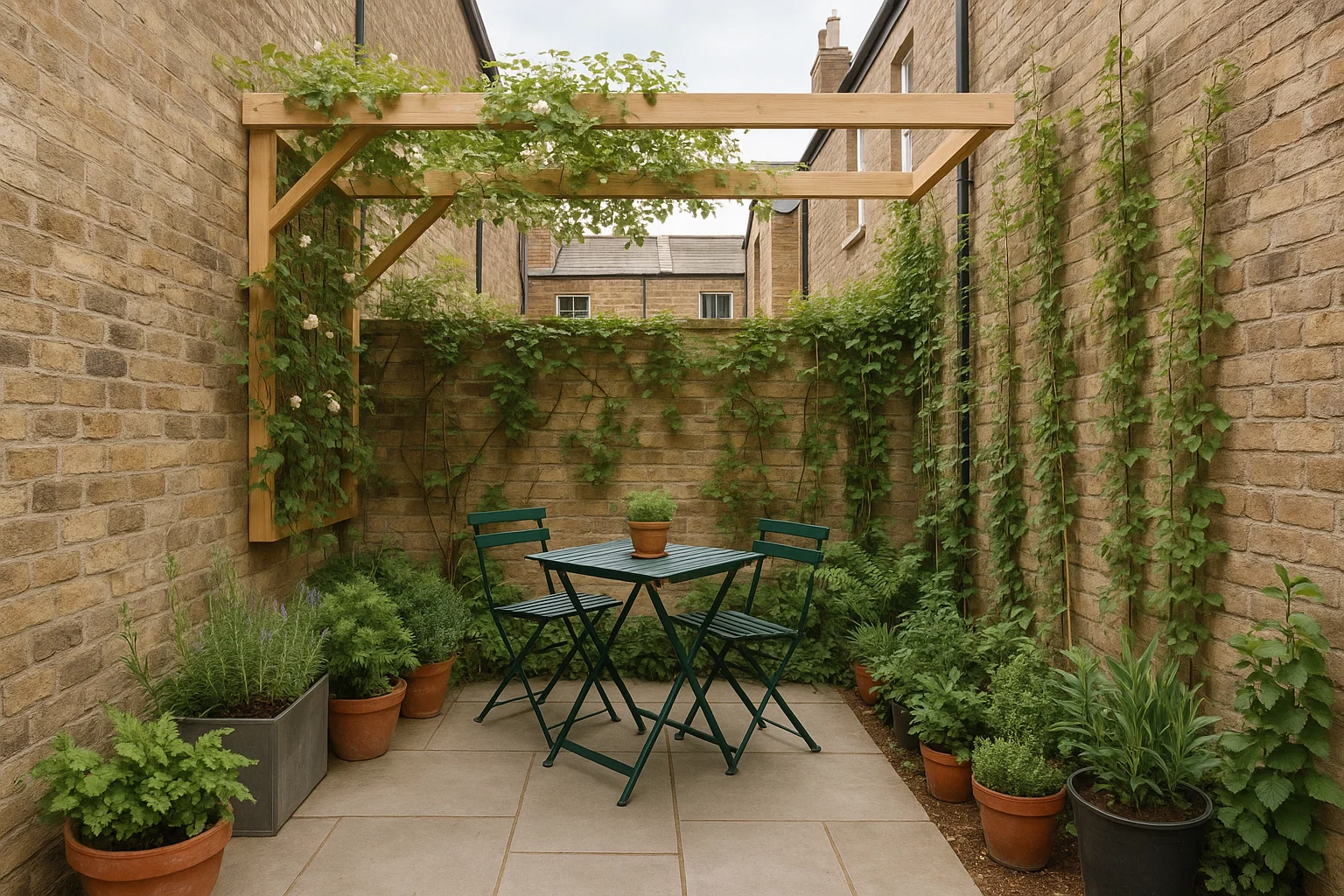
Not everyone has space for a full outdoor kitchen or bar, but even the smallest city garden or courtyard can benefit from a compact pergola. A wall-mounted model or space-saving pergola kits with built-in planters can add both shade and structure without crowding the space.
Climbing plants like jasmine or clematis can help soften the look and add a burst of greenery which is ideal for urban spaces. Whether you want to define a seating area or create some privacy from next door, pergolas work incredibly well in tight spaces when designed with purpose.

How to Style Your Pergola for Year-Round Appeal
Your pergola isn’t just a functional structure, it’s a chance to elevate the look and feel of your garden. If you’re going for a traditional vibe, timber frames paired with climbing plants and hanging lanterns add a charming, romantic atmosphere.
For something more modern, think minimalist seating, neutral colours and integrated lighting. Pergola models with side panels or glass walls are especially popular in contemporary homes. Adding heating and soft textiles can extend your use well into autumn and winter, even in the north of England.
Once your pergola design is in place, small touches like lighting, planting and colour can take it further, check out our landscaping ideas to boost kerb appeal and property value in 2025 for inspiration.

Planning Permission and Practical Considerations
One concern many homeowners have is whether you need planning permission to install a pergola. In most cases you don’t, especially for freestanding structures that are less than 2.5 metres high and not too close to the boundary. Bare in mind rules can vary depending on where you live, so it’s always worth checking with your local council https://www.planningportal.co.uk/permission/common-projects/outbuildings/planning-permission
If you’re unsure about building it yourself, consider choosing a supplier that offers a professional assembly service. Some pergolas are trickier to install than others, getting it wrong could mean a wobbly structure or poor drainage.
As with any outdoor structure, a stable base matters, our article on why groundwork services are the most important part of any driveway project explains how proper preparation prevents long-term issues.
Pergolas for Outdoor Parties and Entertaining Guests
Nothing elevates a summer BBQ or birthday gathering like a well-designed pergola. It adds structure to your setup, protects your guests from sun and rain, and gives you somewhere to string up lights or hang speakers.
For those who love entertaining guests, a pergola can transform your garden into a multifunctional zone for outdoor parties, games nights, or quiet evenings with friends. Combine with a fire pit, dining set and some good lighting, suddenly your back garden is the most popular space in the house.
Do Pergolas Actually Work in the UK?
The short answer is yes. With the right materials, proper planning and weatherproof design, pergolas can thrive even in the most unpredictable British conditions. Whether you’re in the city, the countryside, or somewhere in between, pergolas create structure, shade and style, giving your garden a whole new purpose.
They might not be the traditional British garden feature, but with modern engineering and a bit of creativity, they’re quickly becoming a staple in gardens across the UK. If you want a space that works in sunshine and showers alike, a pergola is a smart, stylish investment.