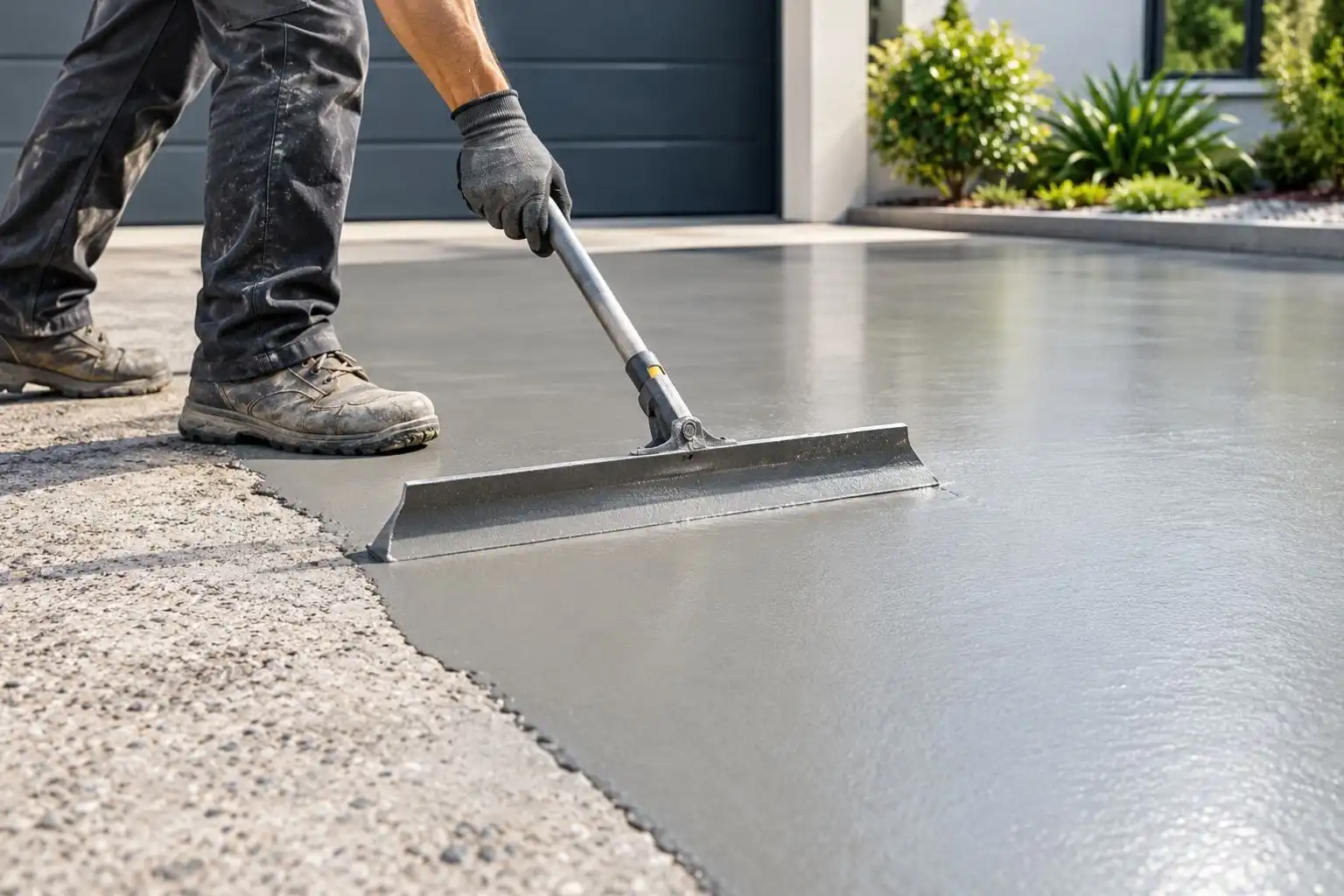
A driveway can look perfectly level when it is first installed, then slowly begin sinking where vehicles place the most pressure. Those dips are often a sign that the ground beneath the surface has not been prepared to provide enough support.
According to GOV.UK guidance on permeable driveways, a typical driveway construction can require around 200mm to 250mm of material, with soft areas of ground needing to be excavated and replaced with sub-base. The guidance also recommends around 150mm of compacted sub-base beneath the finished surface.
This shows why the visible surface is only part of a driveway’s structure. If the foundation beneath it is weak, poorly compacted, or unable to handle the weight placed on it, problems such as sinking and uneven areas can develop over time.
What Does Proper Driveway Ground Preparation Involve?
Proper ground preparation begins with a site assessment to understand the soil type, existing levels and how water moves across the area. Driveway excavation then removes turf, topsoil, roots and any soft or unstable material to reach firm ground at the required depth. Once cleared, the subgrade is compacted with a vibratory plate or roller, and the area is graded to a gentle fall so rainwater runs away from the house. Where the soil drains poorly, drainage channels, pipes or soakaways may be added at this point before any new materials go down.
The next stage is building the driveway foundation itself. A geotextile membrane is often laid to separate the soil from the sub-base and help suppress weeds, followed by crushed angular aggregate spread and compacted in layers until it forms a solid, level platform. Edge restraints are set to hold everything in place and define the driveway’s shape. Resin driveway base preparation needs particular care, as a resin bound surface depends on a stable, permeable base with accurate levels to drain properly and resist cracking. Getting each of these steps right early in driveway construction gives the finished surface the support it needs to perform well for years.
Reasons Why Ground Preparation Matters for Driveways
Here are 10 reasons why ground preparation matters for your driveways:
1. Creating a Safe and Stable Sub Base
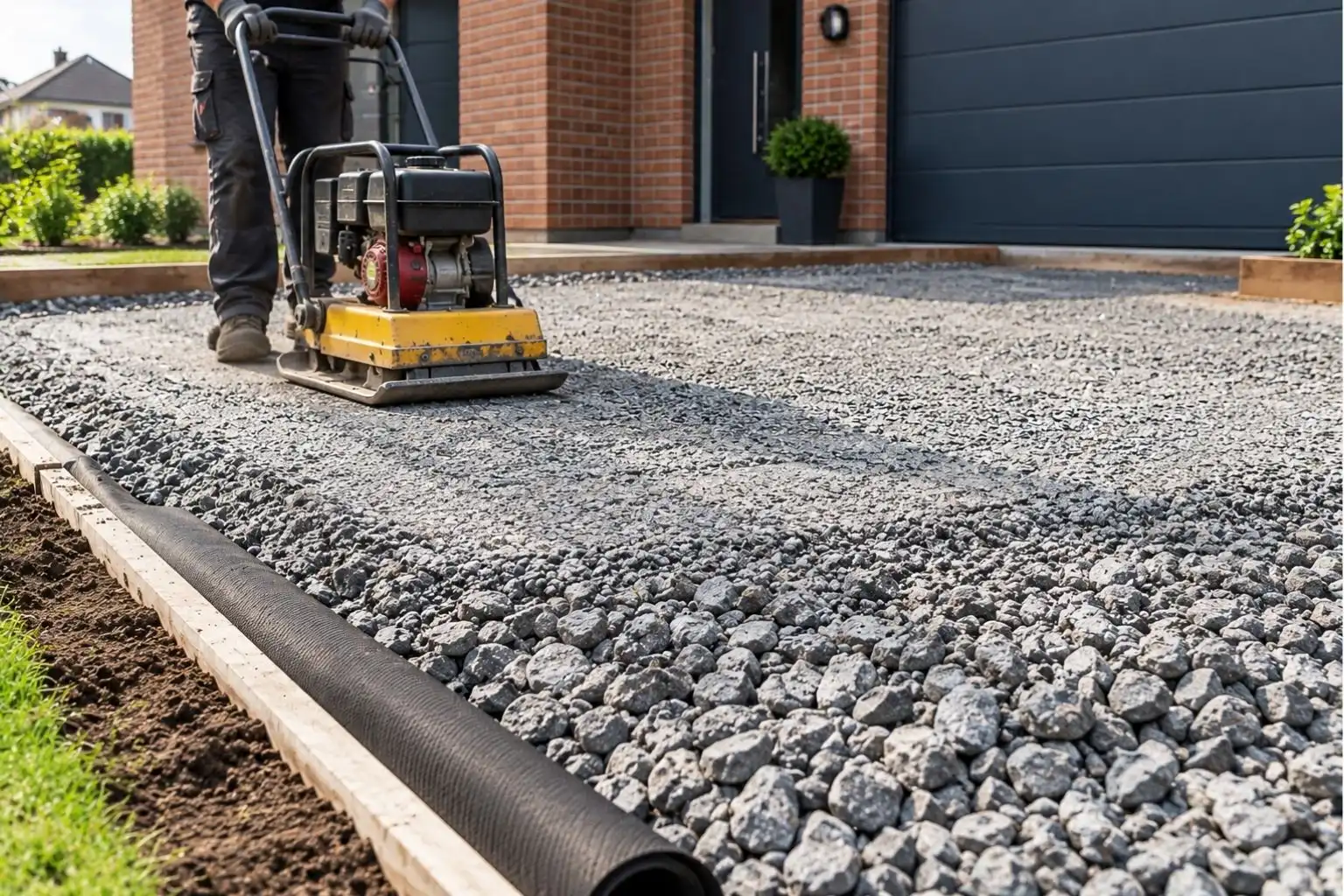
A safe, stable driveway starts with careful planning, thorough compaction and close control of moisture. Clay, silt and sand each behave differently, so the approach to ground preparation needs to suit the soil on site and the ground conditions.
Mechanical compactors press soil particles closer together and remove trapped air. This firms up the ground and, with proper compaction essential for a stable base, lowers the chance of subsidence later on. Moisture plays a big part too. Waterlogged soil loses strength, while soil that is too dry won’t compact properly.
The right balance depends on the site, so checking moisture levels throughout driveway construction helps the ground reach the right condition for compaction. For the sub-base, use DT Type 1 or Type 3 to match the drainage and load demands of the site. sub-base preparation is a key factor in both driveway quality and overall expense, and the right choice is only cost effective when it suits the ground conditions.
2. Supporting the Weight of Vehicles
Every driveway foundation has to carry the weight of cars and vans day after day. Good compaction and the right base materials make this possible. Compaction increases soil density and closes up air pockets. Vibratory plate compactors and rollers help achieve an even density across the whole area.
The soil should be compacted in layers of roughly 100 to 150mm (4 to 6 inches), with each one brought to the required density before the next goes down. This builds strength gradually and cuts the risk of the ground sinking later.
Crushed stone and gravel offer strong load-bearing qualities when laid correctly. They should be spread evenly and compacted into a firm, level layer. Base depth varies with expected traffic, typically between 100 and 200mm (4 to 8 inches). Once complete, the base sits between the surface and the soil beneath, spreading vehicle weight evenly across the driveway while also helping prevent surface settlement and channelisation under repeated traffic from Everyday use.
3. Managing Water Beneath the Surface
Drainage sits at the heart of ground preparation. The first step is checking the soil type and how well it absorbs and moves water. Clay drains slowly and can leave water pooling on the surface, while sandy soil lets water pass through far quicker.
The area is then graded to a fall that carries water away from the house and other structures. A crushed stone or gravel sub-base also helps by giving water routes to travel through the foundation. Some sites need drainage pipes or French drains to collect and redirect surplus water, protecting the lower layers from erosion and saturation.
Local drainage requirements should be checked before work begins, whilst some drainage measures improve runoff without being automatically compliant. This is especially important for resin driveway base preparation, as a permeable resin surface relies on the layers beneath to let water drain away and should be SUDS compliant.
4. Reducing the Risk of Erosion
Erosion can undermine both the strength and look of a driveway, so assessing the soil early matters. Clay holds water and can become unstable once saturated, while sandy soil drains fast and may shift. Knowing how the ground behaves shapes the materials and methods chosen.
Planting around the edges can help. Roots bind the surrounding soil together, though invasive species are best avoided as they can disrupt soil structure. Grading also needs care, with runoff directed away from vulnerable areas. French drains or swales add another layer of control by channelling water clear of the driveway.
5. Preventing Uneven Settlement
Uneven settlement happens when unstable soil, organic matter, debris or poorly compacted patches remain under the surface. Thorough driveway excavation removes this unsuitable material and loose soil before any new layers go down.
The remaining soil is then compacted into a dense, uniform subgrade using a vibratory plate or roller to limit future movement. A crushed stone or gravel sub-base adds further support and helps with drainage. It should be laid evenly and compacted in layers of around 100 to 150mm. Firm compaction closes air gaps, adds strength and keeps the surface settling evenly.
6. Stopping Cracks Before They Start

Cracks spoil a driveway’s appearance and weaken its structure. Careful ground preparation creates a firmer base and limits the movement that leads to surface damage. Vegetation, stones and debris should be cleared during driveway excavation, followed by compacting the subgrade with suitable machinery for a firm, consistent base.
The sub-base deserves equal attention. Angular aggregate such as crushed rock locks together better than rounded stone, giving greater stability once spread in a thin layer and compacted well. This spreads vehicle loads and reduces the concentrated stress that causes cracking.
Moisture needs keeping in check at this stage. Too much water can lead to swelling and shrinkage, while too little affects compaction and bonding, so proper preparation helps stop the surface from starting to break under load.
7. Making Installation Run Smoothly
Good preparation makes driveway construction quicker and more predictable, though labour costs can rise when site access is poor, or levels are difficult to set accurately. Grading sets the correct levels and fall so water drains away from the driveway, with laser levels or string lines helping contractors set accurate heights and gradients.
Compaction matters here too. Loose soil can settle after the surface is laid, leading to cracks and dips. Plate compactors and rollers create a dense, even base ready for the finish. Soil type shapes the approach. Clay-heavy ground often needs different techniques from sandy soil, and tailoring the groundwork to the site and the specific driveway project reduces the risk of erosion, movement and heave.
8. Enhancing Kerb Appeal with Block Paving
Ground preparation influences how a driveway looks as well as how it performs. A stable base keeps the surface smooth and level, with fewer visible cracks or sunken areas.
It also makes it easier to blend the driveway with its surroundings, linking it neatly to planting, garden features and wider landscaping across the property. This stage is also when edge restraints and borders go in. These define the driveway’s shape and give a crisp, clean finish.
9. Keeping Maintenance to a Minimum
Proper preparation reduces upkeep over time. A solid driveway foundation lowers the risk of cracking, sinking and potholes, which would otherwise mean repeated repair work. Compacted soil, effective drainage, and quality base materials work together to spread loads evenly and prevent stress from building up in one area.
Controlling water beneath the surface also limits water damage and early wear. The outcome is a driveway that needs fewer repairs throughout its life, which is key to a low-maintenance finish, especially with gravel installation, since gravel driveways are generally cheaper than other options but can need more maintenance if the base is weak, while poor preparation increases upkeep.
10. Helping Your Driveway Last Longer
A stable base gives any driveway a head start on longevity. The surface material matters too. The best driveway material depends on durability, upkeep and budget. Resin bound driveways cost about £120 per m², imprinted concrete is another decorative option, tarmac driveways cost around £90 per m², a concrete driveway typically costs about £95 per m², and block paving averages roughly £100 per m².
Asphalt driveways typically last around 10 to 20 years, and modern asphalt concrete uses aggregate bound with bitumen, unlike the older tarmac wording still used for some surfacing jobs. Cobblestone driveways are one of the expensive options, and brick and resin finishes also tend to be among the more premium choices. Some also perform differently in colder weather conditions, as asphalt can absorb heat and help melt snow. Concrete driveways can last 25 to 30 years.
Workmanship still matters once the ground is ready. The base must be compacted well enough to support the surface, prevent dips and cracks, and help water drain. Resin driveway base preparation is a good example, as a resin bound finish needs a sound, level base to perform as intended. Block paved surfaces also perform well in difficult weather.
Lay the surface layer evenly and leave it to cure properly. Some finishes, such as imprinted concrete, benefit from sealing to protect against UV exposure and spills. Brick driveways are low maintenance, slip-resistant and can last many years. Regular care helps too. Cracks should be repaired promptly, debris cleared, and sealed surfaces resealed at suitable intervals.
Build Your Driveway From the Ground Up
Ground preparation is the one stage of a driveway that can’t easily be fixed later, as correcting a weak base usually means lifting the surface. Before work begins, check that your quote states the driveway excavation depth, sub-base type and thickness, and drainage plan, since a lower price often means a shallower dig or thinner base. Ask for photos of the compacted driveway foundation before the surface goes down, and for a resin finish, confirm that resin driveway base preparation includes a permeable base with accurate falls. This early attention to detail protects your investment and prevents later repairs.
At L&R Surfacing, we treat the base as the foundation of every job, not an afterthought. We’ve been installing resin driveways and imprinted concrete across Greater Manchester, Cheshire and Salford since 2016, from Altrincham and Hale to Wilmslow, Bramhall, Stockport and Didsbury. We quote groundworks in full rather than glossing them over, because the base is what our ten-year written guarantee ultimately rests on. Get a free quote and site survey by calling us at 0161 399 0351.
Frequently Asked Questions for Ground Preparation
Do you carry out a site survey before quoting for a new driveway?
Yes. Every quote starts with a free site survey, where we assess your soil type, existing levels, how water drains across the area, and also check access and ground conditions, as both can affect the scope of the work and the quote. This shows us how deep the driveway excavation needs to go and what sub-base your driveway foundation will need. Your quote then sets out the groundworks in full, so you know exactly what’s included before work begins, and whether planning permission also needs checking where drainage, access changes, or property constraints apply.
Can you lay a resin driveway over my existing surface?
Sometimes, but only if the existing surface is sound. As a general rule, any concrete base must be fully cured before laying a resin surface over it. Resin driveway base preparation depends on a stable, permeable base with accurate falls, and the existing base must still be suitable for the chosen material, so cracked, sinking, or poorly drained surfaces usually need lifting first. During the site survey, we check the condition of what’s there and advise whether an overlay is suitable or a full dig-out will give you a longer-lasting result, because a resin overlay isn’t a simple DIY project when the base is cracked, sinking, or poorly drained.
Which areas do you cover for driveway construction?
We carry out driveway construction across Greater Manchester, Cheshire and Salford, including Altrincham, Hale, Wilmslow, Bramhall, Stockport and Didsbury. We’ve been installing resin driveways and imprinted concrete in these areas since 2016. Call 0161 399 0351 or request a free quote online to book your site survey, which can also confirm the boundary line where the driveway layout or shared access limits need checking.
Is the groundwork covered by your guarantee?
Our driveways come with a ten-year written guarantee, and the groundwork is what that guarantee rests on. That’s why we never rush ground preparation. We compact every layer properly, plan drainage from the start and set accurate levels, so the finished driveway has the support it needs to perform for years, even on lower-cost surfaces such as gravel driveways at around £60 per m². On gravel surfaces, the top layer of small stones should usually be laid to a maximum depth of about 50mm.